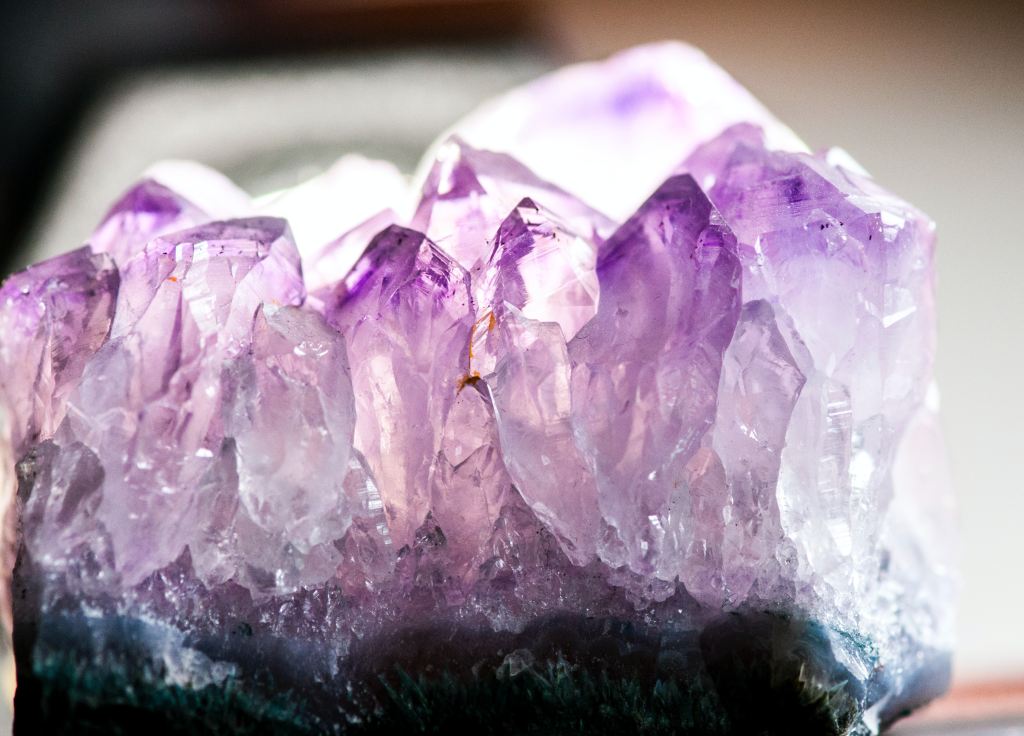
The gemstone amethyst derives its name not by coincidence. Translated from Ancient Greek, “amethystos” means “not intoxicated.” According to myth, the stone was named after the nymph Ametis, who captivated Dionysus with her violet eyes. The nymph, however, did not reciprocate the wine god’s affection as her heart belonged to a young shepherd.
Dionysus’ anger was fueled by the nymph’s rejection. After persistent but futile attempts to win the beauty’s love, and facing her continuous refusals, he decided to capture her by force. In her flight from an inebriated Dionysus, Ametis called for help from the goddess Artemis. As Dionysus reached to embrace the maiden, Artemis turned her into a crystal. Saddened by this turn of events, the god of wine poured his red wine over his beloved, which spilled from his cup in his stupor. The wine was meant to revive the beauty, but instead, it dyed the crystal a soft violet hue, matching the nymph’s eye color. The gemstone was named in honor of the maiden.
Aware of this legend, the ancient Greeks held the amethyst in high regard. It was believed that the gemstone could prevent intoxication and protect from poisoning. Thus, the nobility was served wine exclusively in special amethyst-studded goblets. The elites also wore rings inlaid with this unique gem at feasts, trusting it to neutralize the heady effects of wine.

The Quartz Blossom: Nature’s Violet Stone
“Stone Violet” is a variety of quartz that forms in mountainous rocks, its composition influenced by the presence of cobalt, manganese, and iron found within the deposit. Many gemologists lean towards the theory that it’s these elements that bestow upon the mineral its distinctive violet hue.
In nature, amethyst crystals are elongated and prism-shaped, tapering into pyramidal tips. Sometimes, they cluster together like mushrooms. The most active amethyst mines are in Germany and Austria, but the most prized specimens are from Brazil, Sri Lanka, and the Ural Mountains.
Amethyst has soared in popularity for its vibrant violet color, but its spectrum varies, including shades of pink and blue. Black, green, and red amethysts are rarities in nature, making them more valuable. Intriguingly, the stone’s hue shifts with the light, appearing lighter in the morning and deeper, darker come evening. Remarkably, every 25 years, natural amethyst loses about 20% of its color intensity.
The Healing Amethyst: Ancient Stone of Sobriety and Wellness
Since time immemorial, the amethyst has been ascribed healing powers. In Ancient Greece, it was used as a talisman against intoxication. Modern lithotherapy posits that amethyst can aid in overcoming alcohol and drug dependencies. Wearing the gemstone, especially in a way that it touches the skin, is believed to be enough to cast away destructive habits.
Amethyst is also credited with the ability to guard against infectious diseases, enhance cerebral blood circulation, strengthen the nervous system, and treat heart conditions. It’s said to be helpful in endocrine disorders and gastrointestinal diseases. Here are some ways to use amethyst for its healing properties:
- Soak it in water for a day and then drink the liquid for colds, kidney and liver diseases, detoxification, and general health improvement.
- Place it under your pillow to alleviate sleep disturbances and anxiety.
- Apply it directly to any area of pain, notably effective for headaches.
- Use it for massage to address joint diseases, dermatological issues, and swelling, plus it helps to keep facial skin youthful.
- Wear it in jewelry for overall well-being, but it’s particularly beneficial for depression, panic attacks, and various addictions.
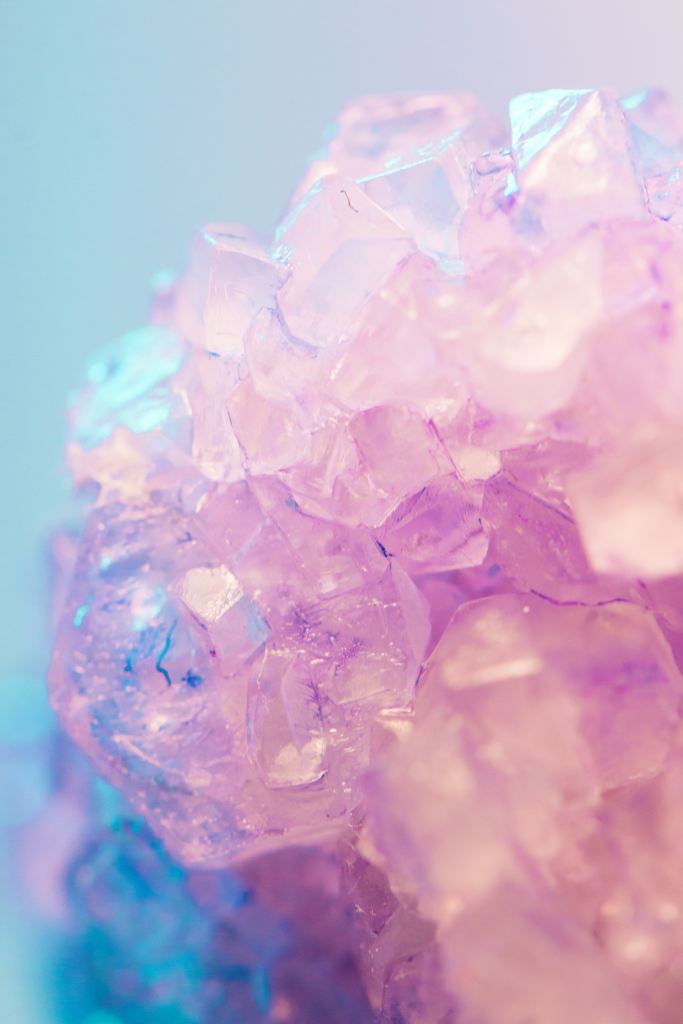
Amethyst’s Magical Harmony and Protection
Amethyst holds significance not only in lithotherapy but also in the realm of magic, distinguished by its potent energy. Known as the “Stone Violet,” it’s seen as a symbol of harmony. This quartz protects against malevolent thoughts, conflicts, and disputes. However, if a person frequently engages in conflicts, the gemstone may “re-tune” itself and absorb negative energy. It is advisable to remove any amethyst jewelry during arguments and to cleanse it under running water afterward to wash away the negativity.
Amethyst can profoundly impact its owner’s life, especially if the owner is a person of selfless nature. The quartz bestows tranquility in the home, shields against curses, elevates moods, and quells excessive emotionality. Jewelry adorned with this stone is believed to attract luck in all endeavors.
For men, amethyst serves as an excellent talisman. In ancient times, warriors wore dark-hued stones believing they bestowed courage and protected against rash actions in battle. For women, the elegant gem offers its own set of benefits: preserving beauty and prolonging youth.
Amethyst: Guardian of Fidelity and Love’s Fortune
The amethyst stone is often misinterpreted in matters of love, with some believing it beckons solitude. However, the truth is quite the opposite. Amethyst is a guardian of fidelity. If one partner passes away and the other chooses not to seek a new relationship, amethyst aids in coping with the loss and finding peace in solitude. This is where the myth originates that amethyst prevents one from starting a family. It only doesn’t assist in love matters for those who are closed to love. For the lonely souls yearning for a familial bond, the gemstone helps in finding their haven.
To ensure eternal love between spouses, it’s suggested to keep an amethyst object or a polished stone in the bedroom. This talisman serves multiple functions:
- It prevents feelings from fading.
- It ignites passion.
- It fosters mutual understanding.
- It shields against infidelity.
There’s a belief that amethyst can attract the love of a desired person. Gifting amethyst to someone in a relationship is rumored to cause them to leave their partner for the giver. Some say that when presented by a single individual, this unique quartz has the power to dissolve even the strongest marriage. However, if used with such intentions, the homewrecker might gain affection, but the new relationship will be marred by unhappiness.

Amethyst Care: Preserving the Enchantment
The “Stone Violet” possesses a unique characteristic: over time, this striking stone fades and loses color. However, this process can be delayed with proper care of your amethyst jewelry. To maintain the gem’s radiant beauty, follow these three essential rules:
- Shield from Sun and Heat: Amethyst dislikes high temperatures; under their influence, it loses its luster and can degrade. Sun rays are the nemesis of the mineral, causing the vibrant stone to pale. If exposed to the sun for a short duration, the color may revive in the shade, but prolonged exposure can have severe consequences, leading to the permanent loss of its former beauty. Hence, amethyst accessories should be stored in a closed box away from heat sources and sunlight. In the summer, it is advisable to wear amethyst jewelry only in the evenings to prevent the exquisite color from fading in the daytime sun.
- Prevent Contact with Household Chemicals: Cosmetics and household chemicals adversely affect gemstones. Chemical compounds can dull amethyst, robbing it of its allure. Remove any amethyst jewelry during cleaning activities and dishwashing. It is recommended to apply makeup, perfumes, and hair styling products before putting on jewelry. Chemicals can harm not only the stone but also the metal in which it is set.
- Clean Regularly: Jewelry should be cleansed regularly at home. Briefly immerse the accessory in a mild soap solution, rinse thoroughly with running water, and dry with a special soft cloth. If the amethyst becomes significantly dull, professional cleaning may be necessary. Jewelers can restore the color and shine of the stone using ultraviolet light.
Amethyst is a truly magical stone that captivates with its refined beauty. Treat your gemstone jewelry with care, and the “Stone Violet” will reward you, enhancing your life for the better. And the most wondrous aspect of this story is that quartz works for the benefit of its owner, even if they don’t believe in its power.

 tea party on the moon
Leave a comment