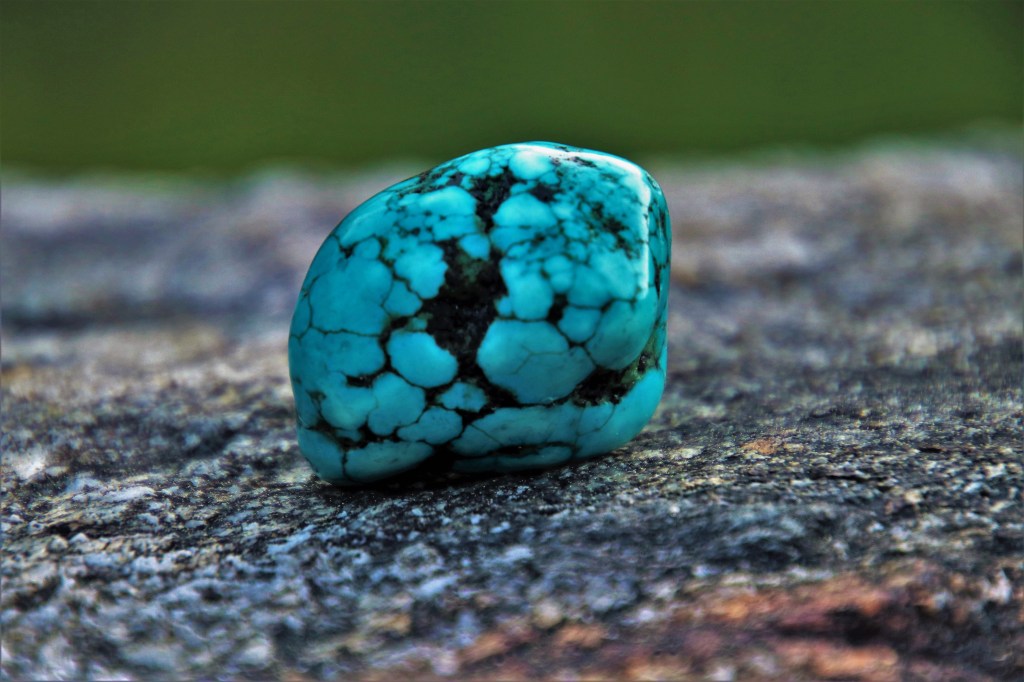
Turquoise, with its waxy luster and intricate patterns, is one of the most magical and mysterious stones. Its color palette, ranging from soft blue to bright green, makes it particularly appealing. Despite being a semi-precious stone, turquoise holds a leading position among minerals in the jewelry industry. The stone’s distinctive hue has even given rise to a color definition known as ‘turquoise’ in modern times.
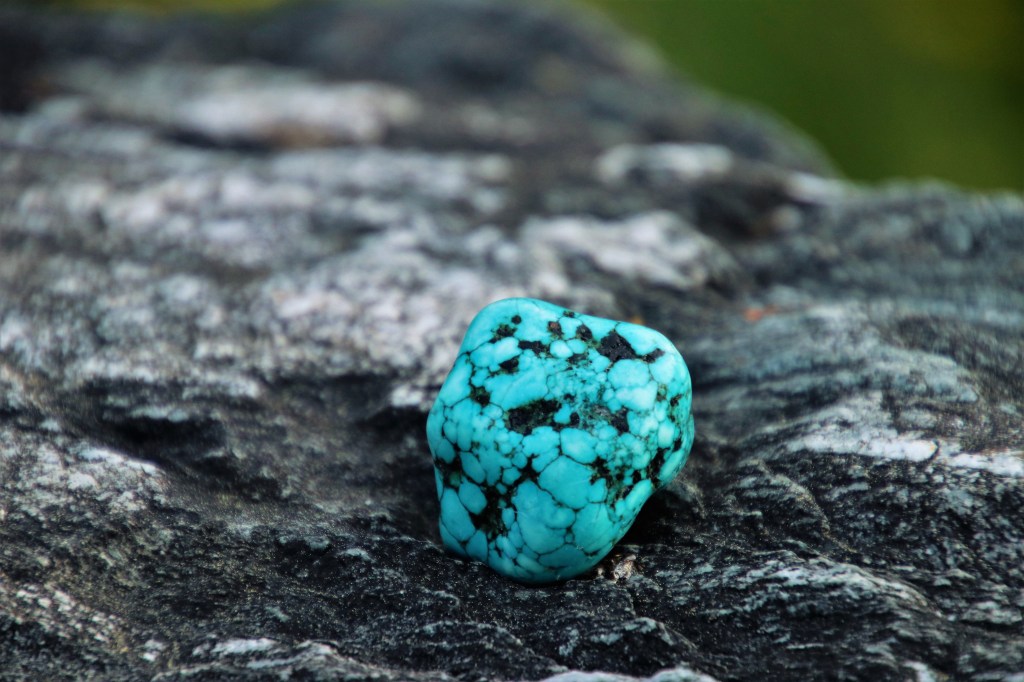
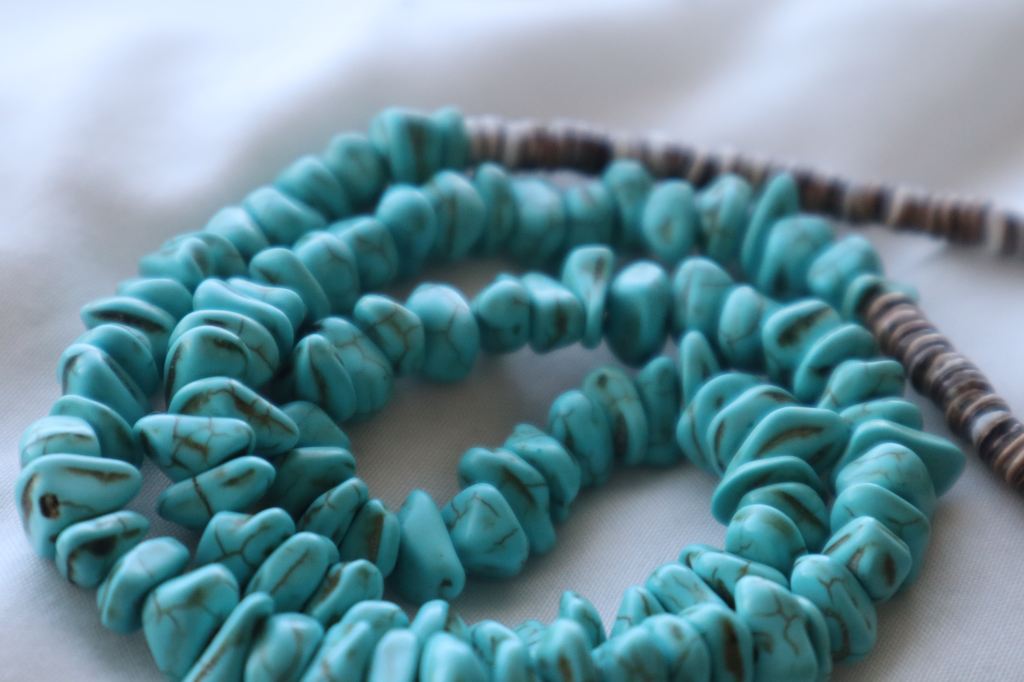
Turquoise has maintained its popularity for thousands of years, featuring in the cultures of ancient Egypt, Persia, China, Tibet, Rus’, and America. The oldest turquoise-adorned jewelry discovered by researchers dates back to around 6000 BC. More than just a beautiful stone, turquoise was revered as a potent talisman and protector. It is surrounded by numerous legends and myths, linking it to gods, prophets, and righteous people. Therefore, it’s no surprise that jewelry of various types and sizes is often crafted with turquoise inlays.
The word “turquoise” has Persian origins, derived from “firuze” meaning “bringing happiness” or “piruz” signifying “bringing victory“. The Western name for the stone, “turquoise,” is associated with Turkey, as this country was a key transit point on the Great Silk Road for transporting stones mined in Eastern deposits to Europe.
The finest specimens of precious turquoise are considered to be those from the Nishapur mines in Iran. These are closely matched in quality by American turquoise from the mines of Arizona and Nevada.
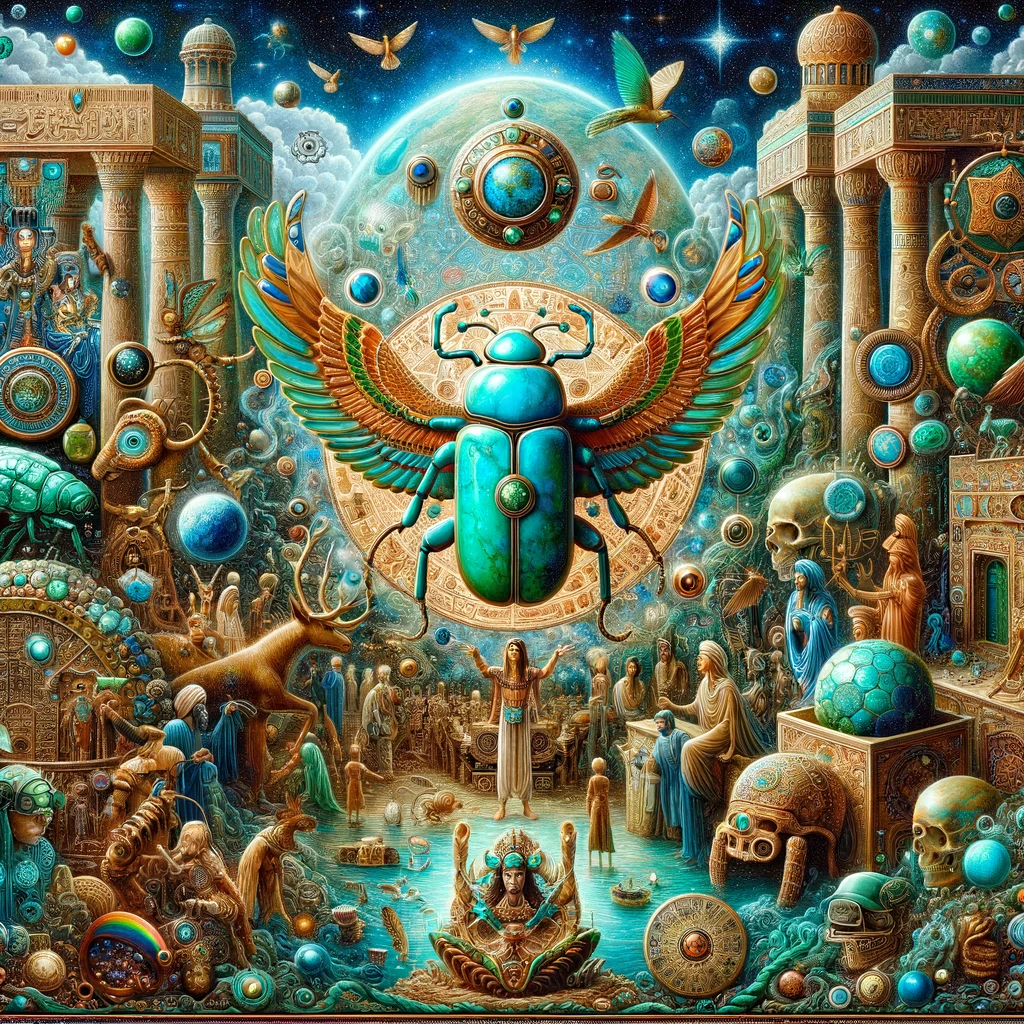
Turquoise has been revered for millennia, with history providing numerous examples of its esteemed status as a magical stone. The ancient Egyptians, long before our era, crafted figurines of sacred scarab beetles from turquoise. These became objects of worship and were seen as powerful amulets for success and victory. Turquoise was considered a magical stone of the pharaohs and warriors and has been discovered in ancient Egyptian pyramids, signifying its significant role and value in their culture.
The Magical and Healing Properties of Turquoise Stone
Turquoise has long been attributed with numerous magical and healing properties. It was used by healers, shamans, sorcerers, alchemists, warriors, and hunters. However, turquoise is believed to assist only those with honorable and noble intentions; otherwise, it might bring harm.
Turquoise is also known as a stone of love and familial happiness.
Turquoise is believed to facilitate peace and understanding between spouses and to protect children from the evil eye. For women, it is said to help reveal inner beauty, for men, to restore virility, and for the single, to find true love. It is thought that for these purposes, turquoise should be set in silver.
Additionally, turquoise is considered to protect its owner from accidents, dangers, misfortunes, and negative energy from others. It is believed to enhance intuition, caution, and foresight while simultaneously fostering decisiveness and emotional control.
Especially when set in gold, turquoise is thought to aid in achieving material well-being and professional success, as well as in seeing future possibilities. The stone is said to promote objective thinking, establish new contacts, and improve relationships.

Lithotherapists (specialists who use stones for healing) believe that turquoise has a beneficial effect on mental health and the functioning of internal organs. Under the influence of turquoise, the following are said to improve:
- Digestive System: This includes the stomach, intestines, liver, and teeth.
- Cardiovascular System: Turquoise is also believed to alleviate headaches and migraines.
- Thyroid Gland: Wearing turquoise as a pendant is considered particularly effective for this.
- Vision: In the past, healers used ointments with powdered turquoise for treating eye inflammations and cataracts. Nowadays, it’s recommended to simply gaze at the beauty of the stone to improve vision.
- Skin: Contact with turquoise is thought to enhance the appearance of the skin. Historically, it was also used to treat burns and pox marks.
- Immunity: The stone is believed to help the body fight against infectious and viral diseases and to normalize body temperature.
- Emotional and Mental State: Turquoise is said to relieve fears, neuroses, and insomnia. It is also considered effective for meditation.
Turquoise is traditionally considered an indicator of a person’s health. Since ancient times, changes in the color of the stone were used to diagnose serious illnesses in its owner. A loss of bright color, darkening, or cloudiness in turquoise were seen as warning signs. This phenomenon has a theoretical basis as well: due to its high porosity, turquoise reacts to changes in temperature and humidity of the body it comes into contact with.
This belief highlights how people have historically connected physical changes in materials like turquoise to health conditions, although such practices are not scientifically validated in modern medicine. It’s a fascinating example of how natural materials have been observed and interpreted through a cultural and historical lens for health-related purposes.
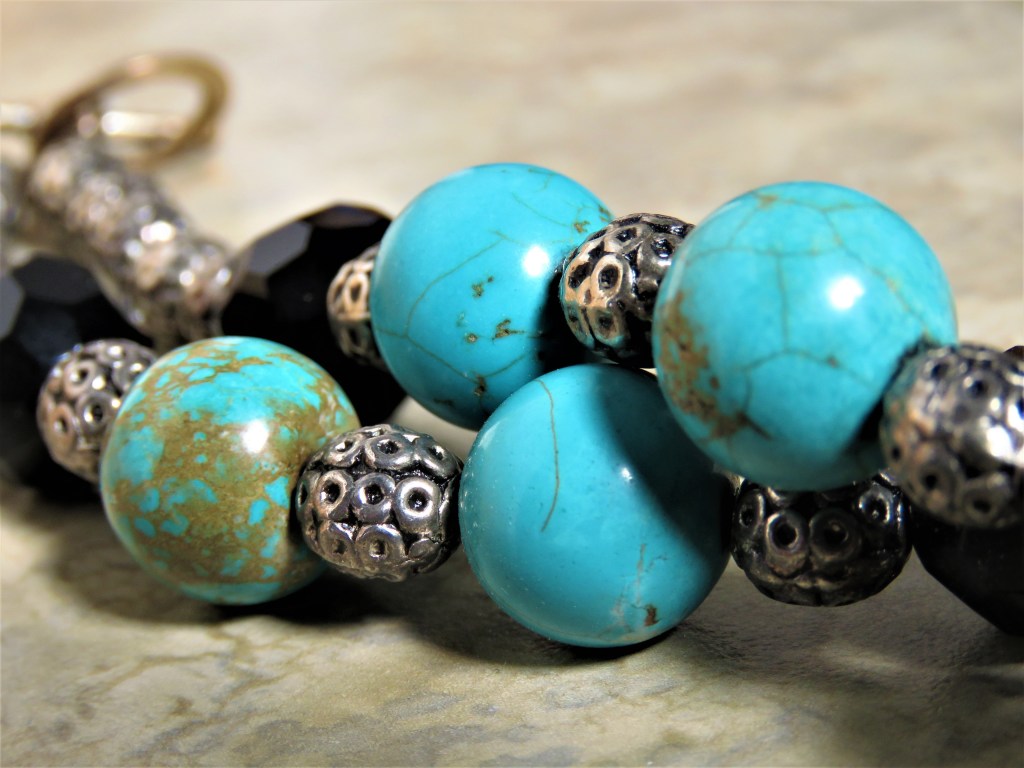
Three Main Categories Based of Turquoise Age
- White and Pale Blue: This is the youngest form of the mineral and is typically the least expensive.
- Bright Blue Turquoise: Considered the most sought-after globally, particularly in Arab countries, as it represents a “mature mineral.”
- Greenish to Dark Green Turquoise: These are the oldest samples and are especially popular among those interested in magical rituals and divination. This variety is believed to have absorbed knowledge and acquired special magical properties over time.
Caring for Turquoise
Caring for turquoise requires attention to its chemical properties, and owners should adhere to certain guidelines to preserve its beauty:
- Avoid High Temperatures: Turquoise is sensitive to heat, which can alter its color and structure.
- Chemical Exposure: The stone is vulnerable to chemicals, which can be destructive.
- Acids and Abrasives: These substances can rapidly damage the stone’s surface and appearance.
- Limit UV Ray Exposure: Prolonged exposure to ultraviolet light can affect the color and integrity of turquoise.
By following these care instructions, jewelry and other items made from this beautiful semi-precious mineral can remain attractive and bring luck for a long time. Turquoise is valued for its ancient history and unique magical properties, making it a consistently cherished stone worldwide.



 tea party on the moon
Leave a comment