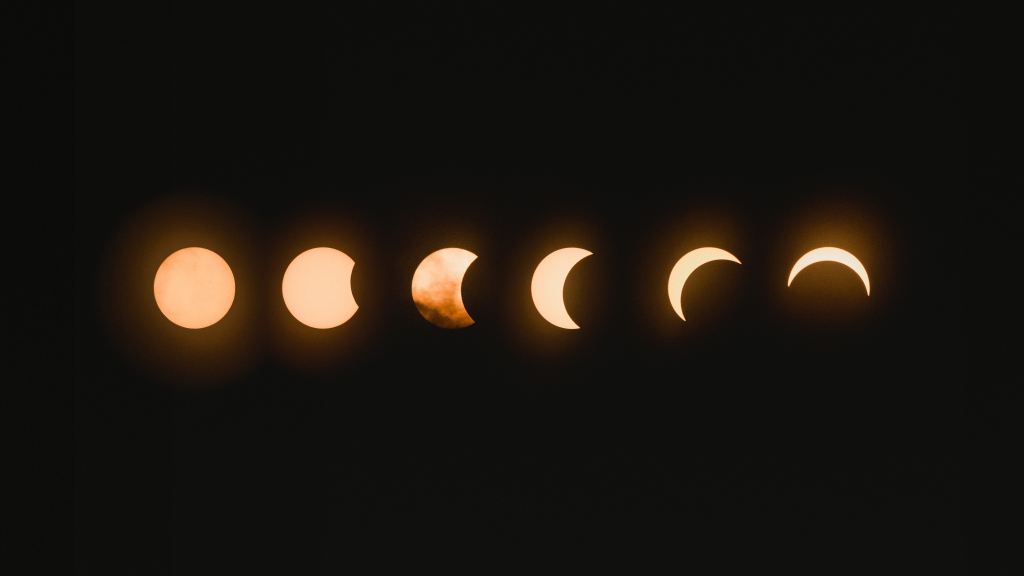
The Moon is Earth’s natural satellite. This celestial body is located about 384,400 kilometers from our planet and completes a full orbit around it in 27.3 Earth days. Simultaneously, the Moon rotates around its own axis, taking about 27 days to do so. This is why we always see only one side of the satellite.
As it orbits our planet, the Moon has an impact on Earth’s biosphere and influences its magnetic field. This explains the fact that our natural satellite can affect:
- the air temperature
- wind patterns
- tides and ebbs
How and Why the Moon Affects Humans
The Moon’s influence extends beyond our planet’s biosphere to its inhabitants. For instance, Aristotle theorized that the satellite affects us similarly to how it affects oceans and seas, creating fluctuations in the brain. Modern scientists assert that the Moon’s gravitational pull impacts every water molecule on Earth. Notably, humans are composed of approximately 75% water. This might explain why during a full moon:
- The deep sleep phase is reduced by 30%.
- Sleep duration is 20 minutes shorter.
- Falling asleep takes longer.
Astrologers believe that not only the full moon but other lunar phases significantly influence our lives. To track auspicious and inauspicious days, they have created comprehensive lunar calendars, which detail the celestial body’s position.
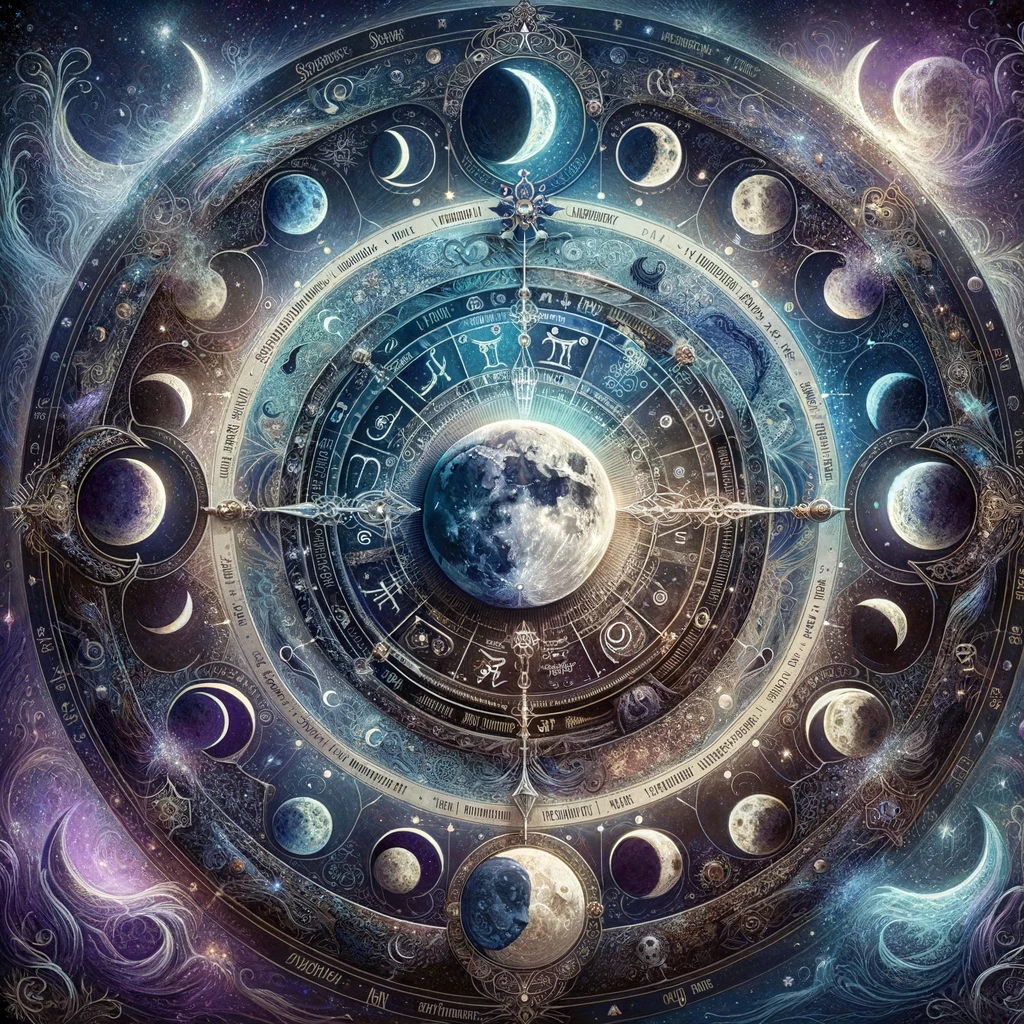
Lunar Days, Cycles, Phases – What’s Important to Know?
If you are just beginning to explore how the Moon affects our well-being and life in general, it’s essential to understand the basic concepts:
- Lunar Day – the time between two moonrises (analogous to a regular day – the time between two sunrises);
- Lunar Month – the period during which all lunar phases change (from one new moon to the next), lasting 29.5 days;
- Lunar Cycle – the change in lunar phases (from waxing to waning);
- Lunar Phase – the appearance of the illuminated part of the Moon that is visually accessible to us.
Each lunar phase is characterized by its own amount of emitted light and its influence on the gravitational field. As a result, there is a specific impact on humans.
How Lunar Phases Affect Humans
A lunar phase is essentially the portion of the Moon illuminated by the Sun at any given moment. Depending on the position of Earth’s natural satellite, there are six distinct phases:
- New Moon;
- First Quarter;
- Waxing Gibbous;
- Full Moon;
- Last Quarter;
- Waning Crescent.
Each of these lunar phases has a specific impact on Earth and humans.
The New Moon
The New Moon is the very first phase of the Moon. During this period, our satellite is in a straight line between the Sun and Earth. The Sun illuminates only the far side of the Moon, making it invisible from Earth.
Interestingly, the thin lunar crescent only appears on the second lunar day.
Visually determining the onset of the new moon without special instruments is impossible. Astrologers believe that this phase occurs during the last two days and the first two days of the lunar month.
The New Moon is considered a time of energetic low. During this period, many people feel a decline in strength and spirit. Children, in particular, feel the effects of the new moon more intensely. They tend to be fussier and struggle to focus, even on their favorite and simplest activities.
For men, the new moon is a period of aggression and irritability. Some may experience depression against a backdrop of nervous tension. For women, this phase often brings unexplained loss of energy and feelings of fatigue.
What you can do: dream, meditate, walk, engage in sports.
What to avoid: fortune-telling, making major purchases, having serious personal conversations (especially about feelings), and visiting doctors (except in emergencies).

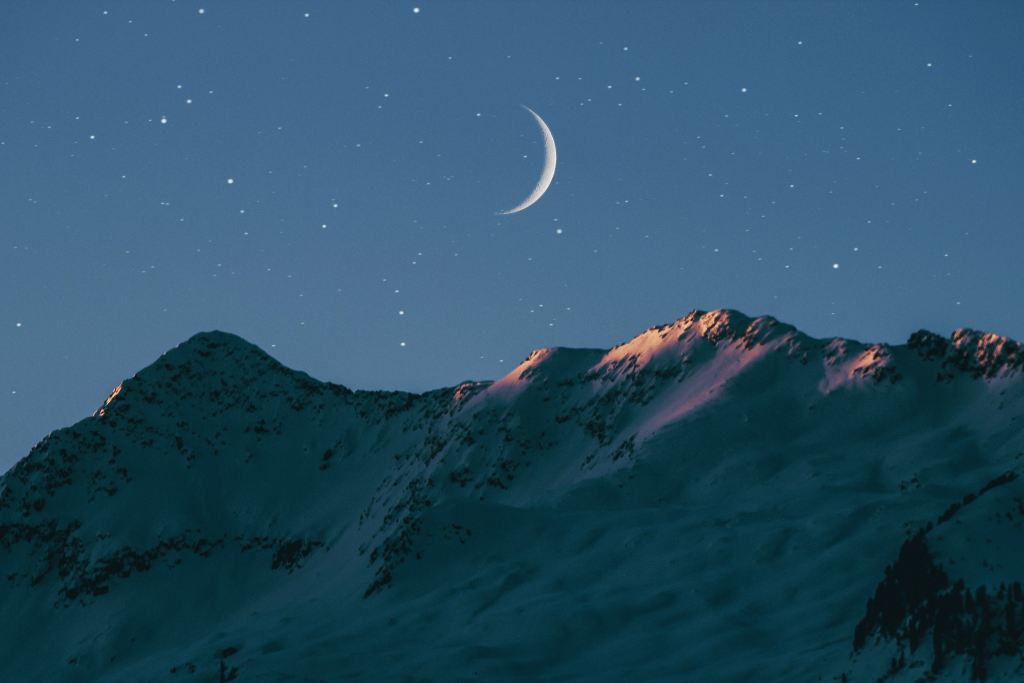
First Quarter
The first phase of the Moon is the thin crescent we observe in the night sky from the 3rd to the 7th day of the lunar month. This phase signifies the end of the “dark days” and possesses a gentle strength. During the first phase, the Moon is just starting to gain momentum. Its influence on humans also accelerates:
- Appetite increases;
- Thought processes quicken;
- Premonitions and prophetic dreams occur.
Also, during the first lunar phase, metabolism accelerates, and the body strengthens overall. Astrologers recommend using this time for cosmetic procedures, treatments, and medical center visits. Procedures focused on health and beauty are likely to have predominantly positive effects. However, people with chronic illnesses should keep medications close during the waxing Moon as exacerbations of diseases are possible.
Those who are overly emotional and hypersensitive feel the maximum impact of the crescent moon. Women, in particular, experience a strong surge of energy and readiness to “move mountains” during this phase.
What you can do: make plans, strengthen health, develop mental abilities, make significant changes (like changing hairstyle, starting a new job, or launching a business), make financial investments, or expensive purchases.
What to avoid: complaining out loud, winding yourself up with negative thoughts, neglecting yourself, and being passive.
Second Quarter
The second lunar phase begins on the 8th day of the lunar cycle. It starts when the Moon is exactly half-illuminated and continues until the full moon. During this period, there is:
- An acute need for social interaction;
- A surge of energy.
The energy of the Moon increases, and concurrently, our strength grows, and mood improves. The only things that might spoil it are minor health surprises like pimples, blisters, or boils. This happens due to an excess of energy in the body and a high level of toxins and wastes. To get rid of these, it is recommended to adhere to a healthy diet, drink plenty of water, and avoid harmful habits during the second phase.
What you can do: visit a manual therapist or osteopath, engage in detoxification of the body, stand your ground until victorious, make deals.
What to avoid: overeating, indulging in harmful habits, subjecting yourself to intense physical strain, embarking on a journey.
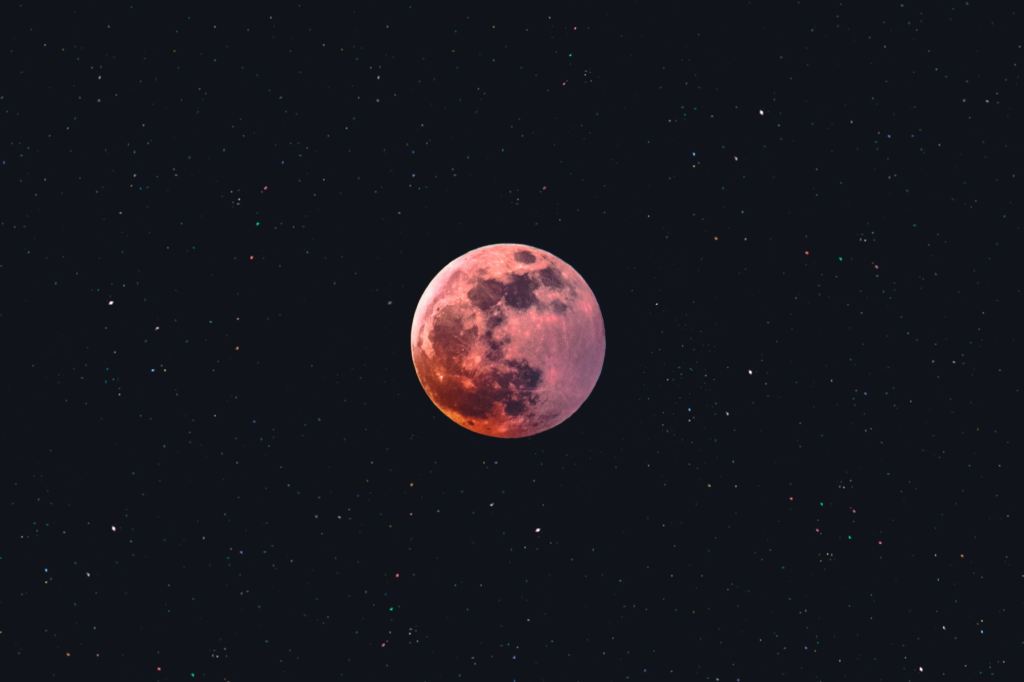
Full Moon
In the middle of the lunar cycle, the Moon is positioned such that the Sun fully illuminates it, and we see a bright disc in the sky. This phase is known as the full moon.
The full moon is the phase where the Moon reaches its energetic peak, which directly affects us. The increase in energy influences our mood. During the full moon, people become more emotional, with the majority exhibiting aggressive emotions, leading to frequent arguments, nervous breakdowns, and anxiety.
Women particularly struggle during the full moon, often unable to withstand natural forces, which can make them nervous and prone to outbursts. Men, on the other hand, tend to become more aggressive and impatient.
Interestingly, many compare the state during the new moon to wolves howling at the Moon (a behavior they tend to exhibit during the full moon).
The full moon tends to exacerbate all mental illnesses. It is during this period that depression intensifies, and panic attacks occur.
What you can do: conduct magical rituals, engage in creative activities, confess love, and implement long-planned projects.
What to avoid: sorting through wardrobes and getting rid of clutter, tidying up the house, and settling disputes.
Third Quarter
Fortunately, the full moon lasts only two days (from the 14th to the 16th lunar day). The third phase begins from the 17th day. It differs from the second phase in the side illuminated by the sun. The third phase is the waning phase. The energetic peak has passed. In place of strong emotions come calmness and ease.
The third phase decreases our sensitivity. All processes in the body slow down, and the mind becomes cooler and more rational. The only negative impact during this period might be felt in the lower back, kidneys, and the endocrine system.
What you can do: complete plans, improve living conditions, engage in body detoxification, change your job.
What to avoid: dental extractions, getting married, baptizing children, transplanting plants.
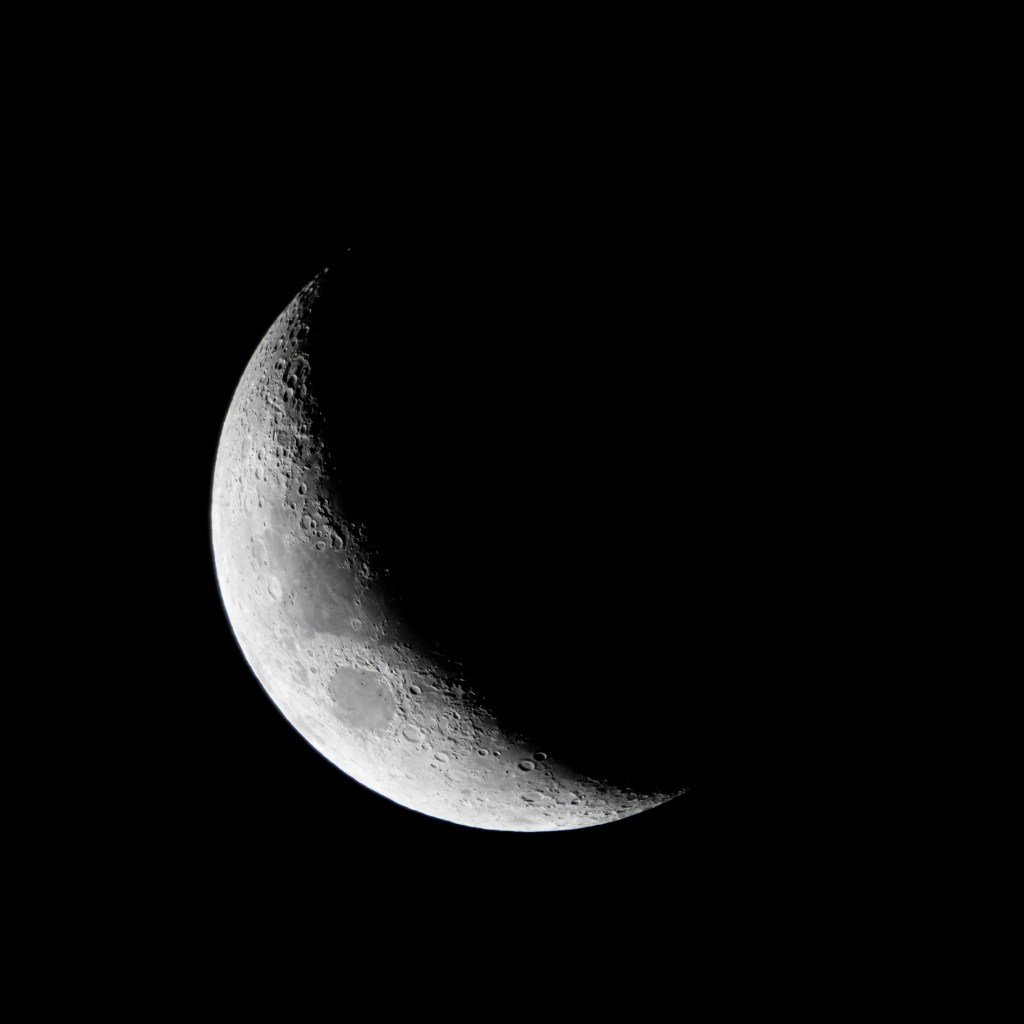
Fourth Quarter
The fourth phase lasts from the 23rd to the 29th lunar day. Scientists note that during this period, the gravitational forces of our planet and the Moon overlap each other. Earth’s gravity, which affects humans, weakens, leading to disruptions in the body’s fluid circulation. This can result in poor well-being and psychological disorders.
Particularly felt during the 4th phase are:
- Digestive system problems;
- A decline in activity;
- Development of complexes.
In the fourth phase, there’s a release of the energy that has been conserved since the full moon. It’s better to release this energy in the early days of the cycle. Otherwise, just before the new moon, this energetic potential might flare up like a match, and the consequences of such a “fire” can be far from positive.
What you can do: adhere to a proper diet, detoxify the body, complete ongoing tasks, think positively, and take care of your health.
What to avoid: drinking cold drinks and provoking illnesses, making major purchases, conducting significant financial transactions, getting married, or moving in together.
Stones with Lunar Energy
Minerals known for possessing lunar energy include:
- Moonstone
- Pearl
- Opal
- Beryl
- Selenite
These stones are characterized by their gentle, enveloping energy. They are known to improve emotional wellbeing and mood. Each gemstone has its own unique properties and compatibilities.
The Moon is not only Earth’s sole natural satellite; it is also a major source of energetic flow, significantly influencing events on Earth and our well-being. While we cannot control or alter its influence, we do have the power to regulate the flow of energy we receive. To achieve this, one can aid themselves during challenging times with meditation and the pure lunar energy that is imbued in stones under the Moon’s influence.



 tea party on the moon
Leave a comment