
The essence and date of the Winter Solstice in 2023
The solstice occurs twice a year, in summer and winter, each with its unique history and characteristics.
What is the Winter Solstice?
It is the moment when the Sun crosses the most southern or northern point of the ecliptic, depending on the hemisphere. This significant astronomical event marks the beginning of winter in the Northern Hemisphere. It is characterized by the shortest daylight and the Sun being at its lowest point in the sky at noon. This moment brings the shortest day and the longest night of the year. Following this, days start to lengthen, and nights become shorter.
The Winter Solstice Day in 2023
The date of the Winter Solstice this year falls on Friday, December 22. The exact time of the Winter Solstice is at 3:27 AM Greenwich Mean Time. At this precise moment, the Sun’s elevation will be at its lowest, meaning the Sun will be at its lowest point above the Earth’s horizon for the entire year.
For a few days before and after the Winter Solstice, the Sun appears to briefly pause and “maintain this elevation”. This is why the phenomenon is called “solstice” (from Latin “solstitium” meaning “sun stands still”). During the aforementioned time, one can observe the lowest position of the Sun above the horizon in the Northern Hemisphere of the Earth.
Understanding the Winter Solstice: The Dynamics of Earth’s Orbit and Axial Tilt
The winter solstice occurs due to the specifics of the Earth’s orbit and the tilt of its axis. Earth travels around the Sun in an elliptical orbit, and the planet’s axis of rotation is slightly inclined relative to the plane of this orbit—the axis’s tilt is approximately 23.4 degrees. These shifts in Earth’s position relative to the Sun influence the change of seasons and are the fundamental reason behind the winter and summer solstices.
The primary distinction between the summer solstice and the winter solstice lies in the orientation of the Earth’s pole. During the summer solstice, the Earth’s pole is tilted maximally towards the Sun, whereas during the winter solstice, the Earth’s pole is tilted maximally away from the Sun.
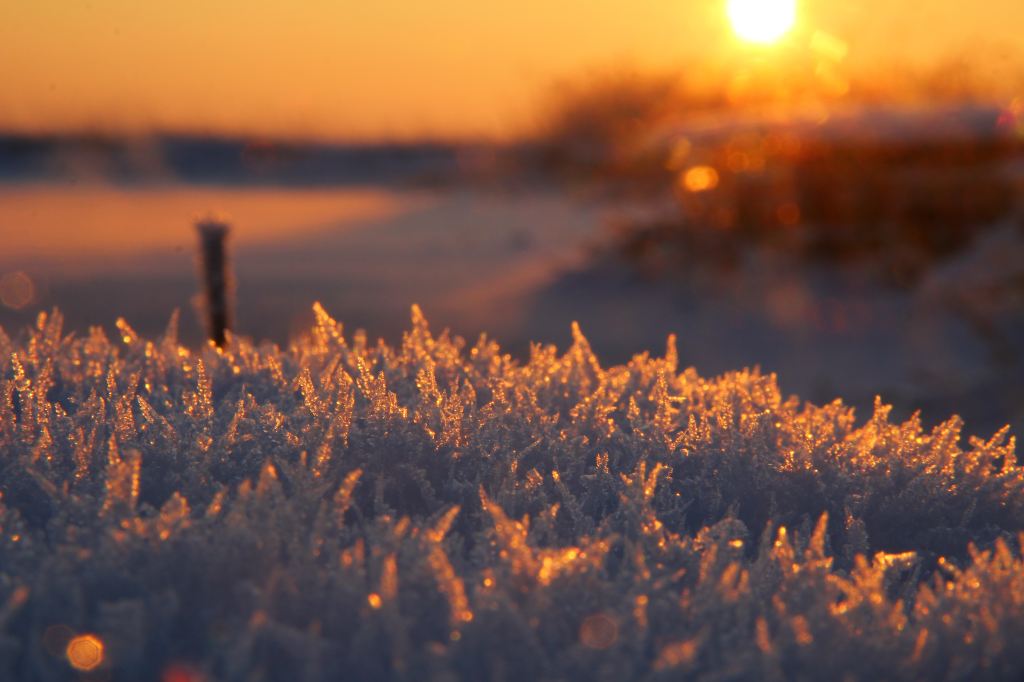
Rituals and Traditions
It’s no surprise that the day of the winter solstice is associated with a plethora of beliefs, rituals, and traditions. It’s believed that on the shortest day of the year, nature generates a colossal amount of energy.
An ancient belief holds that before the day of the winter solstice, it’s essential to perform a thorough cleaning of the entire house and discard old items. This act is thought to clear space for new and joyful things.
Ritual of Releasing Negativity
Among other traditional rituals is the ritual of releasing negativity, which should be performed at sunset on the day before the solstice. For this, you need to write down on paper a list of all the negative things that happened in the past year and which you would like to forget. After this, it’s recommended to burn the paper outdoors, imagining how all sorrows are “burned” in the fire.
Water Cleansing Ritual
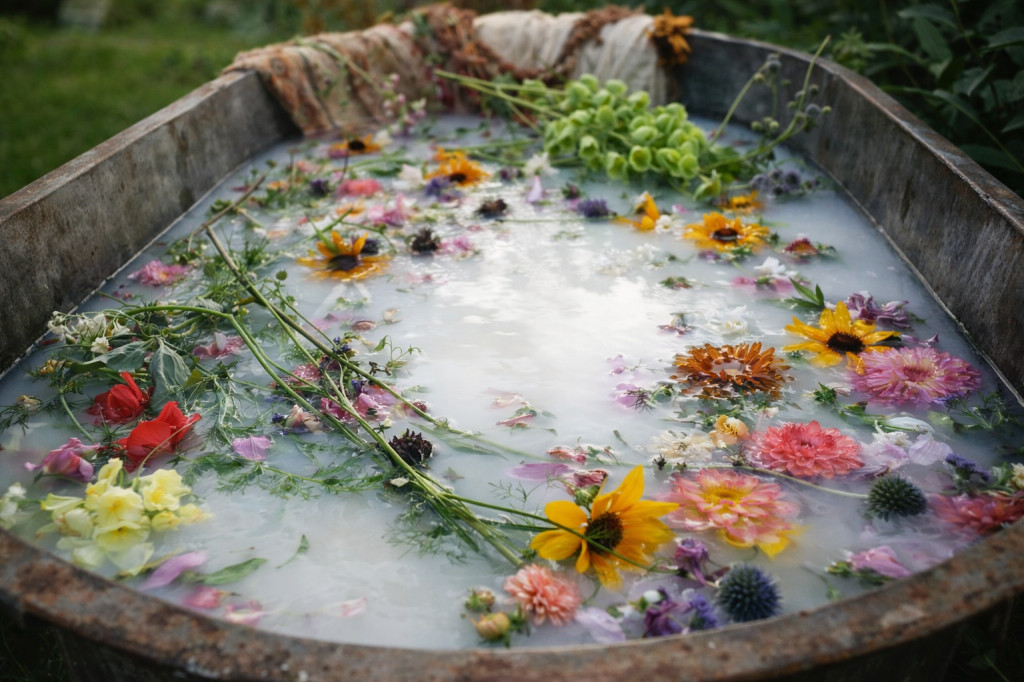
Equally popular is the so-called healing bath ritual. For this, you turn off the lights, light candles, and lie down in a bathtub filled with hot water. Then, close your eyes, recall all your experiences, “gather them in a fist” and release them, simultaneously draining the water.
Ritual of Making Wishes
On the day of the winter solstice, it is also customary to make wishes that signify life renewal. The wish is made at dawn. To do this, one should face east and look in the direction where the sun rises. While making a wish, it’s important to mention as many details as possible.
How Different Peoples Celebrated the Winter Solstice
Throughout the millennia, the winter solstice held great significance for all peoples. Ancient world cultures had their own customs of celebration. Some of these have survived to the present day, though many are now associated with current holidays such as Hanukkah or Christmas.
Ancient Roman Saturnalia
In Ancient Rome, the winter solstice was marked by the festival of Saturnalia, in honor of Saturn, the god of agriculture. The celebration lasted from December 17th to 23rd. By this time, all agricultural work had finished, and the festivities began.
Yule among the Ancient Germanic Peoples
Yule was a pre-Christian Scandinavian festival celebrated by the historical Germanic peoples of Northern Europe. On this day, they lit trees symbolizing the sun to gain warmth and light, thereby celebrating the sun’s rebirth. It was believed that on the day of the winter solstice, the Oak King was reborn, who warmed the frozen earth and gave life to the seeds in the soil.
Celebration in Christianity
In Christianity, these days are marked by the celebration of Christmas, which is observed on January 7th. This date falls two weeks after the solstice due to the use of the Julian calendar.
Festival in Slavic Culture
The Slavs celebrated the day of Karachun – a harsh deity of winter. They believed that Karachun brought winter’s cold to the earth, plunging nature into hibernation. Another name for this deity is Korochun, meaning “the shortest.” Bonfires were lit everywhere, intended to help the Sun overcome death and be reborn. After Karachun, the nights began to shorten, and the daylight hours became longer.
8 Lesser-known Facts About the Winter Solstice
- Two Winter Solstices Occur Each Year
- Each hemisphere experiences its own winter solstice. Due to the planet’s orbit being tilted on its axis, the Earth’s hemispheres receive direct sunlight alternately. In the Northern Hemisphere, the winter solstice occurs on December 21—22, while in the Southern Hemisphere, it happens on June 20—21 (which is referred to as the summer solstice in that region).
- The Winter Solstice Occurs in a Single Moment. While a whole day is dedicated to the event in the calendar, in reality, the Sun stands over the Tropic of Capricorn for a very brief period of time.
- It’s Either the First Day of Winter… Or Not — Depends on Who You Ask. There are two ways to consider this: meteorological seasons and astronomical seasons. Meteorological seasons are based on the annual temperature cycle, while astronomical seasons are based on the Earth’s position relative to the Sun. For astronomers, winter begins today.
- The Winter Solstice is a Time of Long Shadows. At this time, the Sun is at its lowest position in the sky, and the shadows cast by its rays are the longest.
- A Full Moon on the Winter Solstice is Extremely Rare. Since 1793, a full moon has coincided with the winter solstice only about ten times.
- The Winter Solstice is Linked to ChristmasPeople have celebrated the winter solstice throughout history. Romans partied during Saturnalia, Germanic and Scandinavian pagans celebrated Yule, Slavs observed Kolyada. Even Stonehenge is linked to the solstice. To attract pagans to their faith, Christians added religious significance to these traditional festivals. Many Christmas customs, such as the Christmas tree, are directly linked to solstice celebrations.
- The Winter Solstice is a Reminder of Our Gratitude to CopernicusThe English word “solstice” comes from the Latin solstitium, meaning “the point at which the Sun stands still.” Before the Renaissance astronomer Nicolaus Copernicus, who first proposed a heliocentric model of the universe, people believed that the Earth was stationary and the Sun revolved around it. The use of the word “solstice” is a beautiful reminder of how our understanding of the world has advanced thanks to medieval thinkers who challenged the unquestioned status quo.
What to Do During the Winter Solstice?
Spend this day in a festive mood and engage in a series of constructive activities:
- Dedicate time to spiritual growth and self-discovery, set goals for the future.
- Make a cherished wish.
- Devote the day to family and loved ones, organize a celebration, and perform rituals to attract luck and prosperity.
- Tidy up your space, and decorate your home with natural materials.
- Engage in charitable activities and give gifts to your loved ones.

Signs of the Winter Solstice
Natural signs suggest that the weather on the day of the winter solstice is often sunny and dry. Consider these observations:
- Pets Sleep More Than Usual: On this day, pets may sleep more, exhibiting lethargic and less active behavior.
- Direction of the Wind: The wind’s direction on this day is thought to continue until the spring equinox.
- Windless Day: A lack of wind is a harbinger of a fruitful harvest for fruit trees.
- Blizzards in the Fields: If a blizzard occurs in the fields, it’s an indication that a season of snowstorms is approaching.
- Clear, Sunny Day: A day like this predicts clear weather for the Svyatki, celebrated shortly before Christmas.
- Frost on Trees: Indicates the likelihood of dry and frosty weather during the Svyatki period.
- Rain or Wet Snow: Such weather conditions are seen as a precursor to a rainy spring season.
Delicious Rituals We Deserve
The rituals and ceremonies of the Yule festival are primarily intertwined with the cult of fertility and the blessing of food and harvest. Since ancient times, the winter solstice (Yule) has been associated with the scents of cloves and apples, wheat, and branches of coniferous trees. The winter solstice is like a basket filled with unusual signs and rituals, intriguing to explore over the course of 13 magical nights, drawing out symbols:
- Branches: Represent immortality.
- Wheat: A symbol of the harvest.
- Apples: Represent the sun.
- Flour: Signifies success in endeavors.
Before New Year’s Eve, in addition to a festive Christmas tree, it’s advisable to acquire holly, ivy, and mistletoe as symbols of peace for the Yule celebration. Leave some food for the spirits of ancestors who may visit, and consider sleeping on the floor during these nights, yielding your bed to visitors from the other world.
The symbolism of the Yule festival indeed echoes the Christmas atmosphere. On the winter solstice, it’s customary for people to decorate their homes with evergreen twigs, coniferous branches, holly, and ivy. Golden candles and baskets filled with fruit adorn the tables, creating a warm and festive environment. In the kitchen, a pot often simmers on the stove, filled with ale or mulled wine, adding to the cozy ambiance. Additionally, it’s a time for giving, as evidenced by thoughtful gifts like warm socks, knitted sweaters, and soft mittens, lovingly prepared for close friends and family. This blend of decoration, warmth, and gift-giving creates a special atmosphere that beautifully captures the spirit of Yule, paralleling the familiar joys of Christmas celebrations.

In conclusion, the Winter Solstice of 2023 is a significant astronomical event rich in history, culture, and tradition. Marking the shortest day and the longest night of the year, it is a time deeply rooted in various cultural rituals and practices, from ancient Roman Saturnalia to the Yule festival celebrated in Northern Europe. The solstice reminds us of the Earth’s intricate dance with the Sun, shaped by our planet’s orbit and axial tilt. It’s a period of reflection, renewal, and celebration, where rituals of cleansing, wish-making, and gift-giving embody the essence of this time. As we observe the solstice, we also acknowledge its influence on modern-day festivals like Christmas, showcasing the enduring legacy of this celestial event in human culture.

 tea party on the moon
Leave a comment