There are nights in the year that seem to carry a different atmosphere. The air feels sharper, darkness arrives earlier, trees become bare, and even familiar places can appear strangely unfamiliar beneath an autumn sky. Halloween is one of those nights. Beneath the costumes, carved pumpkins, candles, sweets, and modern celebrations lies a much older layer of symbolism connected with the end of the harvest season, the approach of winter, remembrance of the dead, protection of the home, divination, dreams, and the mysterious boundary between what is known and what cannot easily be explained.
Much of this older symbolism is associated with Samhain, an ancient Gaelic seasonal festival traditionally connected with the transition from the lighter half of the year into the darker one. Modern Halloween is not simply Samhain under another name; centuries of Christian observances, folk customs, migration, regional traditions, and popular culture all contributed to the holiday we recognize today. Yet many themes that people now associate with the mystical side of Halloween — spirits, ancestors, fire, protection, omens, strange dreams, and divination — echo much older autumn traditions.
For people interested in spirituality, Halloween and Samhain can therefore represent more than a night of entertainment. They may be experienced symbolically as a threshold: a moment for looking backward and forward at the same time, remembering what has ended, honoring what still lives within us, protecting the space we call home, and listening more carefully to intuition.
Whether these traditions are approached literally, spiritually, psychologically, or simply as meaningful folklore, they reveal something timeless about human nature. Autumn reminds us that nothing remains unchanged forever. Trees release their leaves, fields become quiet, daylight diminishes, and nature appears to withdraw into itself. Samhain stands at this symbolic doorway between endings and beginnings.
What Is Samhain?
Samhain is traditionally associated with the end of the harvest season and the beginning of the darker part of the year in Gaelic culture. It was historically observed around the transition between October and November, although ancient seasonal festivals did not necessarily function according to the precise midnight-to-midnight calendar system used today.
The name is generally pronounced something like “Sow-en” or “Sah-win,” depending on linguistic tradition.
For agricultural societies, this period carried very practical importance. Crops had largely been gathered, animals were prepared for winter, daylight was rapidly decreasing, and communities were entering a season in which survival depended upon preparation. Winter was not simply a picturesque time of fireplaces and snow. It represented uncertainty.
It is easy to understand why a season of darkness, endings, and withdrawal eventually became surrounded by stories about spirits and invisible forces. Human beings naturally create symbolic meaning around major changes in nature. The dying vegetation of autumn became associated with death, while the hidden seeds beneath the soil promised future rebirth.
In many modern spiritual interpretations, Samhain is therefore regarded as a symbolic New Year: not a celebration of outward beginnings, but a quieter beginning born from endings.
Before something new appears, something old often has to disappear.
That is the deeper rhythm behind Samhain.
Is Halloween the Same as Samhain?
Halloween and Samhain are closely associated in popular imagination, but they should not be treated as exactly the same festival.
Modern Halloween developed through a combination of influences. Ancient seasonal customs existed alongside later Christian observances surrounding All Saints’ Day and All Souls’ Day, while centuries of European folklore added traditions involving masks, fires, food, fortune telling, spirits, and household protection. Irish and Scottish migration later carried many customs to North America, where Halloween gradually developed into the enormous cultural celebration familiar today.
The word Halloween itself comes from “All Hallows’ Eve,” the evening before All Hallows’ or All Saints’ Day.
Over time, older supernatural folklore blended with Christian traditions and eventually with modern entertainment. The result is a holiday containing several historical layers.
Pumpkins, witches, ghosts, costumes, candles, black cats, apples, skulls, and spirits may appear today as decoration, yet many of these images reflect older human concerns: protection from danger, uncertainty about the future, fear of death, curiosity about the invisible world, and the desire to remain connected with those who came before us.
Why Is Samhain Called a Night Between Worlds?
One of the most famous beliefs associated with Samhain is the idea that the veil between the worlds becomes thin.
This phrase is largely spiritual and symbolic rather than something that can be scientifically measured. Nevertheless, it expresses an ancient concept beautifully: certain transitional moments were believed to make ordinary boundaries less stable.
Samhain is a threshold in several ways.
It sits between autumn and winter, abundance and scarcity, light and darkness, harvest and dormancy, activity and rest. Such transitional periods are sometimes called liminal times — moments that belong fully to neither one state nor another.
Human cultures have frequently regarded liminal places and times as mysterious. Doorways, crossroads, shorelines, sunrise, sunset, midnight, eclipses, solstices, equinoxes, births, deaths, weddings, and New Year celebrations all exist symbolically between different states.
Samhain carries the same quality.
For this reason, folklore surrounding the season often includes spirits, fairies, ancestors, supernatural encounters, dreams, and omens. The ordinary structure of the world was imagined as temporarily becoming more flexible.
In modern spirituality, the “thin veil” is often interpreted less literally. It may mean that people feel more introspective, emotionally sensitive, nostalgic, or receptive to subconscious material during this period.
As daylight decreases and life naturally moves indoors, attention often turns inward as well.
The Energy of Halloween Night
From a spiritual perspective, Halloween night is often described as powerful, intense, mysterious, and highly intuitive. Some people experience it as exciting, while others feel unusually quiet, nostalgic, emotional, or restless.
Part of this atmosphere can be explained psychologically and environmentally. Darkness arrives early. Temperatures change. Seasonal scents fill the air. Social traditions constantly remind us of ghosts, death, mystery, and hidden things. All these elements shape perception.
Yet in esoteric traditions, the night is also believed to amplify certain themes.
Halloween and Samhain are commonly associated with:
- endings and release;
- ancestral memory;
- intuition;
- dreams;
- divination;
- protection;
- hidden truths;
- transformation;
- shadow work;
- remembrance of the dead;
- preparation for a new cycle.
This is not traditionally considered the same type of energy associated with manifestation, expansion, or aggressive pursuit of goals.
Samhain is quieter.
It asks different questions.
What has reached its natural ending?
What are you still carrying that belongs to the past?
Which experiences changed you?
Which patterns have followed your family for generations?
What should be remembered?
What should finally be released?
The energy associated with Samhain is therefore often described as one of reflection before renewal.
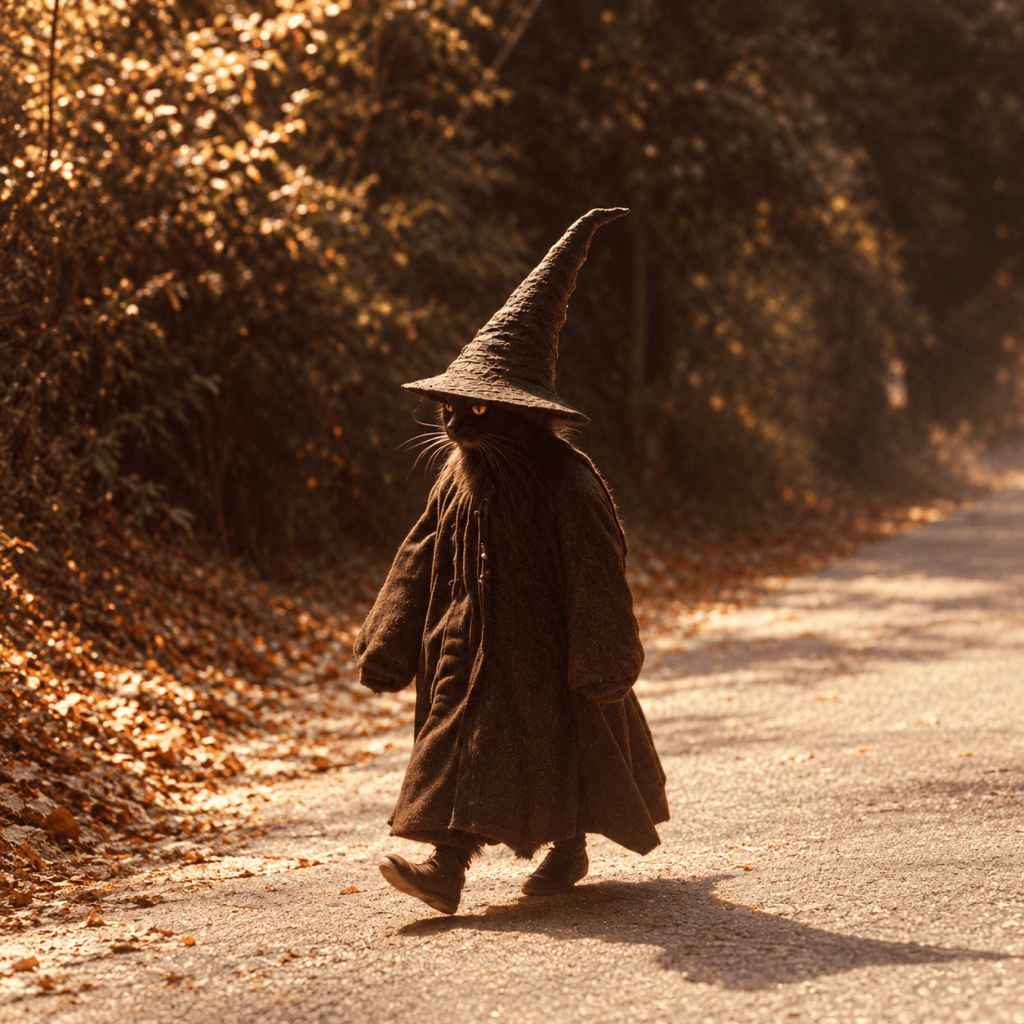
The Symbolism of Darkness
Modern society often treats darkness as something negative, but ancient seasonal traditions understood darkness differently.
Darkness was dangerous, certainly, but it was also necessary.
Seeds germinate underground. Babies develop in the darkness of the womb. Humans sleep at night. Winter allows many plants and ecosystems to enter periods of dormancy before spring returns.
Symbolically, darkness represents the unseen stage of transformation.
Samhain arrives just as nature visibly retreats. Leaves fall, gardens become empty, migratory birds disappear, and the landscape loses much of its summer abundance.
Yet nothing has truly ended.
Life has simply moved beneath the surface.
Spiritually, this is why Samhain can be a meaningful time for private reflection. Instead of constantly asking, “What should I create next?” the season invites another question:
What needs to become quiet first?
Samhain and the Connection With Ancestors
Perhaps the most profound aspect of Samhain spirituality is its connection with ancestors.
In many cultures around the world, remembering deceased family members is not considered frightening. It is an act of continuity. People preserve photographs, recipes, jewelry, stories, songs, letters, and traditions because human identity is partly built from memory.
Samhain gives this natural human instinct a ritual form.
Some traditions describe the dead as being particularly close during this season. Modern practitioners may create ancestral altars, light candles, prepare meaningful food, visit graves, tell family stories, or simply spend time thinking about relatives who have died.
The purpose does not have to involve attempting supernatural communication.
Sometimes remembrance itself is enough.
A person might place an old photograph beside a candle and recall the sound of a grandmother’s voice. Someone might cook the dish their father always made in autumn. Another person might look through family albums and notice similarities between generations.
These simple acts can feel surprisingly powerful because they reconnect personal identity with a longer human story.
What Is an Ancestor Altar?
An ancestor altar is a small dedicated space used for remembrance. It does not need to be elaborate, religious, or permanent.
It can contain objects such as:
- photographs of deceased relatives;
- candles;
- flowers;
- family heirlooms;
- handwritten names;
- meaningful jewelry;
- traditional foods;
- seasonal fruit;
- a glass of water;
- objects connected with family history.
The most important element is intention.
An altar should feel respectful rather than theatrical. There is no need to turn remembrance into a dramatic attempt to summon spirits.
For many people, the most meaningful Samhain altar is extremely simple: one photograph, one candle, and a few minutes of silence.
Why Food Is Connected With Ancestors
Food carries memory unusually well.
A particular soup can instantly remind someone of childhood. The smell of bread may bring back a kitchen that no longer exists. A recipe can survive for generations even after almost everything else has changed.
This is one reason food frequently appears in traditions connected with remembrance.
During Samhain, some people prepare a meal associated with deceased relatives or with their cultural background. The act becomes symbolic communication across generations.
You might cook something your grandmother made every autumn or prepare an ingredient associated with your family’s region.
Rather than asking whether the dead literally receive the food, the deeper meaning may lie in what the ritual does for the living.
It says:
You were here. You mattered. You are remembered.
Can Ancestors Visit in Dreams During Samhain?
One of the most persistent beliefs surrounding Samhain is that deceased relatives may appear in dreams.
Many people report dreams about family members who have died, especially during emotionally significant dates such as anniversaries, birthdays, holidays, or periods of personal transition.
From a psychological perspective, this is understandable. Memory becomes more active when attention is focused on a person.
From a spiritual perspective, however, some interpret these dreams as genuine encounters or messages.
There is no objective way to prove that a dream is supernatural. Still, such dreams can be emotionally significant regardless of how they are interpreted.
A dream about a deceased relative may bring comfort, reveal unresolved grief, awaken a forgotten memory, or symbolize qualities associated with that person.
The most useful approach is often not to ask immediately, “Was this definitely a visitation?”
Instead ask:
How did the dream feel?
The emotional atmosphere frequently matters more than the literal imagery.
Prophetic Dreams on Halloween and Samhain
Samhain has long been associated with divination and predictions about the future. Because the night was regarded as a threshold, people believed it might reveal things normally hidden from ordinary perception.
Dreams naturally became part of this tradition.
A prophetic dream, in spiritual language, is a dream believed to contain information about events that have not yet happened. Stories about such dreams exist in almost every culture.
Scientifically, there is no established method for reliably predicting future events through dreams. Human memory is selective, and people naturally notice coincidences more strongly when a later event resembles an earlier dream.
Yet dreams can still be remarkably perceptive.
The subconscious notices patterns that conscious attention often misses. A person may unconsciously detect tension in a relationship, changes in someone’s behavior, financial stress, physical exhaustion, or subtle environmental signals. These observations can later emerge symbolically during sleep.
A dream may therefore feel prophetic because the mind recognized something before conscious awareness did.
For spiritual practitioners, Samhain is considered an especially meaningful time to pay attention to this inner language.
How to Prepare for Samhain Dreams
People interested in dream work sometimes create a simple evening ritual on October 31.
The goal is not to force a supernatural experience. Trying too hard usually makes sleep worse.
Instead, create an atmosphere that encourages memory and reflection.
Before going to bed, reduce stimulation. Avoid spending the final hour of the evening constantly switching between social media, television, messages, and news. Dim the lights, drink something warm, and allow the mind to become quieter.
Keep a notebook beside the bed.
Before sleeping, choose one gentle intention.
For example:
Show me what I need to understand right now.
Or:
Help me see clearly what I am ready to leave behind.
Avoid asking dozens of questions at once.
Dreams speak more clearly when attention is focused.
How to Recognize an Important Dream
Not every unusual dream is a prophecy or spiritual message. Dreams are naturally strange because the sleeping brain combines memories, emotions, fears, sensory experiences, and imagination.
Still, certain dreams tend to remain memorable.
People often describe significant dreams as unusually:
- vivid;
- coherent;
- emotional;
- repetitive;
- symbolic;
- peaceful or intense;
- difficult to forget after waking.
A particularly important sign is repetition.
If the same house, person, road, animal, place, number, or situation appears repeatedly across several dreams, it may represent something your subconscious continues to process.
Write it down before searching for interpretations online.
Your personal association with a symbol is usually more important than a universal dream dictionary.
A snake may represent fear to one person and healing to another. Water may represent emotional overwhelm, freedom, cleansing, danger, birth, or spirituality depending on the dreamer and the context.
Dreams About Deceased Relatives
Dreams involving deceased relatives deserve special care.
Some are emotionally warm. The relative appears healthy, peaceful, and familiar. There may be little conversation, yet the dream leaves a strong sense of comfort.
Other dreams can be confusing or disturbing. This does not necessarily mean something negative is happening spiritually. Grief itself contains complicated emotions.
When analyzing such a dream, consider several elements:
What was the person doing?
How did they look?
Did they speak?
What emotion remained after waking?
What is currently happening in your life that reminds you of them?
Sometimes the message is not hidden in mysterious symbolism.
Perhaps you are facing a decision and dreaming of someone whose advice you once trusted.
Perhaps you are entering the age they were during an important period of your childhood.
Perhaps a familiar season has simply reopened an old memory.
Dreams connect time in strange ways.
Samhain, a holiday built around memory and transition, naturally intensifies this symbolism.
Divination During Samhain
Because Samhain was associated with uncertainty about the coming winter, fortune-telling customs gradually became part of seasonal folklore.
Historically, divination could concern marriage, health, prosperity, weather, harvests, or events expected during the coming year.
Modern practices may include tarot, oracle cards, runes, pendulums, candle observation, dream interpretation, or journaling.
The most meaningful questions during Samhain tend to involve reflection rather than simple prediction.
Instead of asking:
Will something good happen to me?
Consider asking:
What chapter of my life is ending?
What am I refusing to release?
What lesson from this year should I carry forward?
What pattern keeps repeating?
Where am I ignoring my intuition?
What deserves more protection in my life?
Questions like these transform divination from entertainment into self-examination.
Samhain and Shadow Work
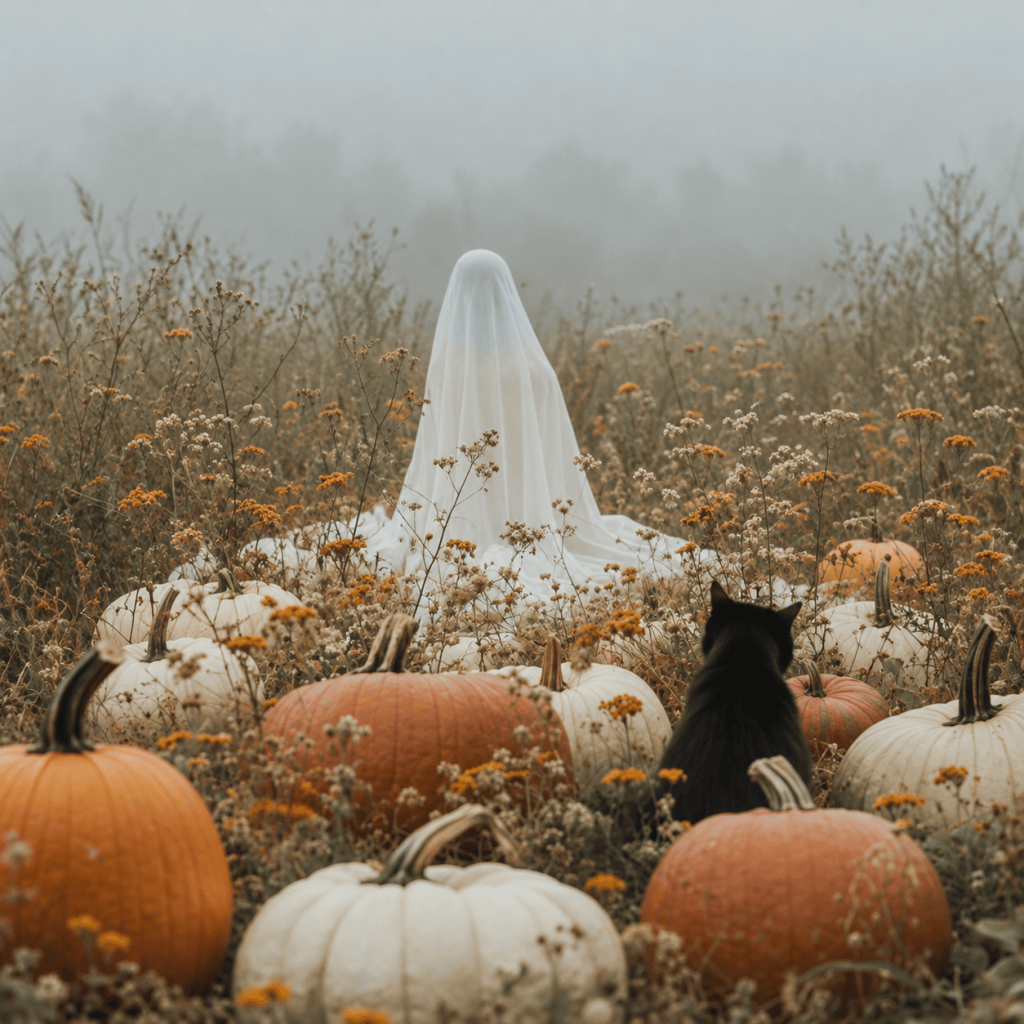
The dark season has naturally become associated with what modern spirituality calls shadow work.
The “shadow” refers broadly to aspects of ourselves that remain hidden, rejected, uncomfortable, or unconscious.
These may include jealousy, fear, shame, anger, ambition, grief, insecurity, or desires we do not easily admit.
Shadow work does not mean becoming obsessed with negativity.
It means recognizing that personal growth requires honesty.
Halloween symbolism makes this idea particularly powerful. Masks are everywhere.
People literally disguise themselves.
Spiritually, the image invites another question:
What masks do we wear during ordinary life?
Perhaps we act confident when we are frightened.
Perhaps we constantly care for others because asking for help feels uncomfortable.
Perhaps we say we have moved on when a situation still hurts.
Samhain invites us to notice the difference between the identity we present and the emotions we actually carry.
Home Protection on Halloween Night
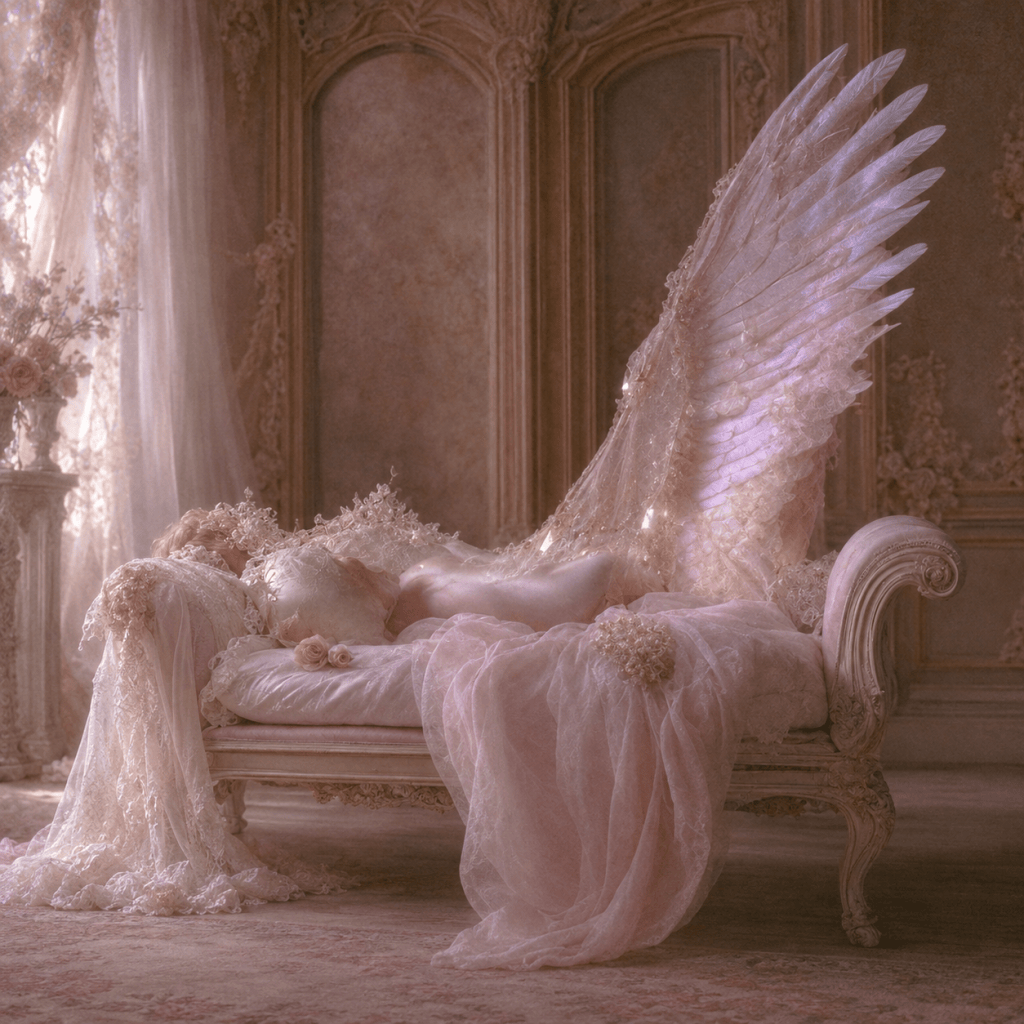
Protection is one of the oldest themes associated with autumn supernatural folklore.
People in earlier societies lived in a world where darkness itself created real danger. Roads became difficult to travel, weather could change quickly, animals behaved differently, and winter brought serious risks.
It is therefore unsurprising that seasonal customs frequently involved fire, household boundaries, protective objects, prayers, symbols, and rituals.
Modern spiritual protection does not need to come from fear.
The goal is not to imagine invisible danger hiding everywhere.
Protection can simply mean consciously defining your home as a place of safety, rest, warmth, and emotional stability.
A Simple Samhain Home Cleansing
One of the easiest Samhain rituals is cleaning.
Before adding mystical objects, physically clean the house.
Open a window briefly if the weather allows. Remove broken or unnecessary items. Clear clutter from entrances. Change bedding. Sweep or vacuum floors. Wipe mirrors and windows.
This simple act fits Samhain symbolism perfectly.
You are making space.
Afterward, some people like to use sound — bells, music, clapping, or a singing bowl — as a symbolic way of changing the atmosphere of a room.
Others prefer incense or aromatic herbs, although smoke should always be used carefully around children, pets, asthma, fire alarms, and sensitive lungs.
Candles can also create a strong sense of ritual, but never leave them unattended.
The intention can remain very simple:
Only peace, warmth, protection, and goodwill are welcome in this home.
Protecting the Entrance
Doorways carry powerful symbolism because they separate one space from another.
For that reason, entrances appear repeatedly in protective folklore.
Around Samhain, some people clean the front door, decorate it with seasonal plants, place a pumpkin nearby, or hang a wreath.
From an esoteric perspective, this can represent consciously protecting the boundary between private and public space.
Salt is another traditional protective symbol in many cultures. Some practitioners place a small amount near thresholds or windows, although this should be done thoughtfully if pets or young children are present.
Others prefer rosemary, bay leaves, cloves, garlic, juniper, or protective symbols connected with their own cultural or religious tradition.
The object matters less than the meaning assigned to it.
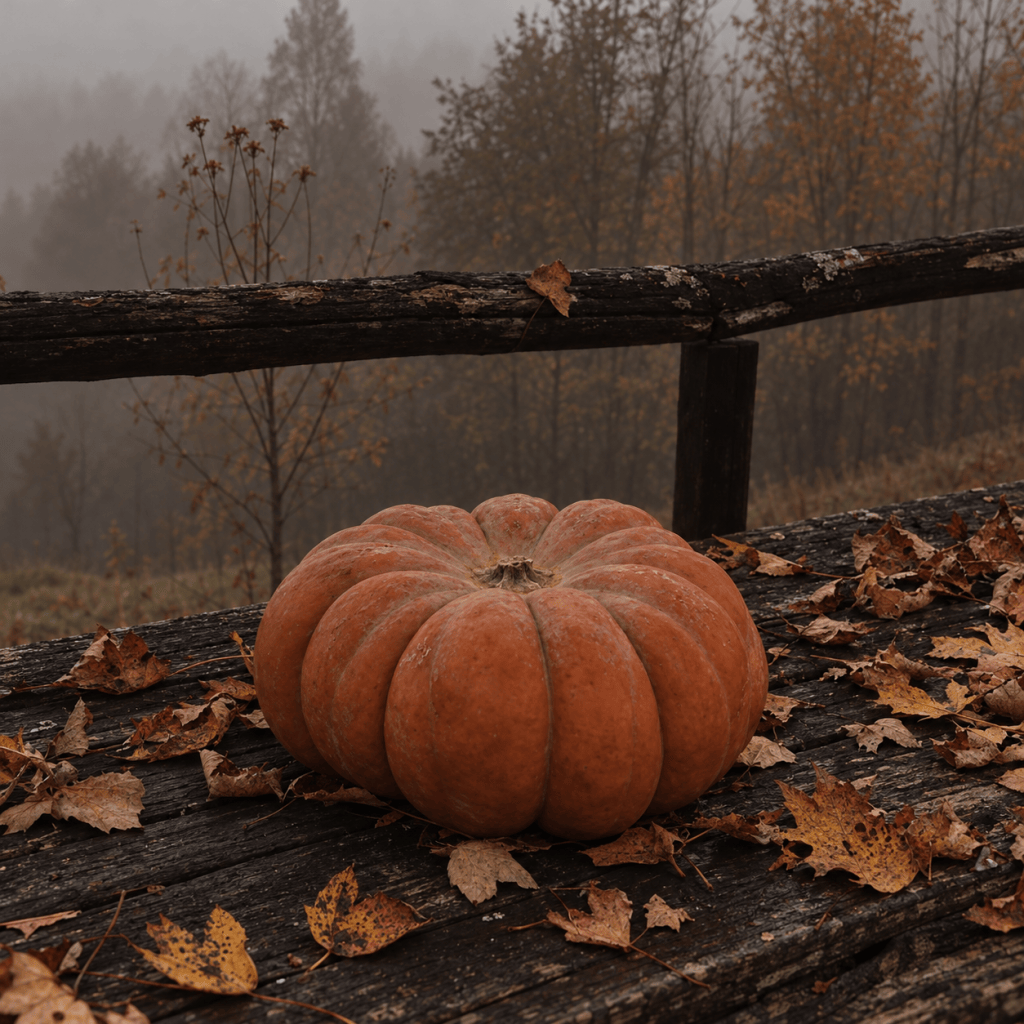
Why Pumpkins Became Protective Symbols
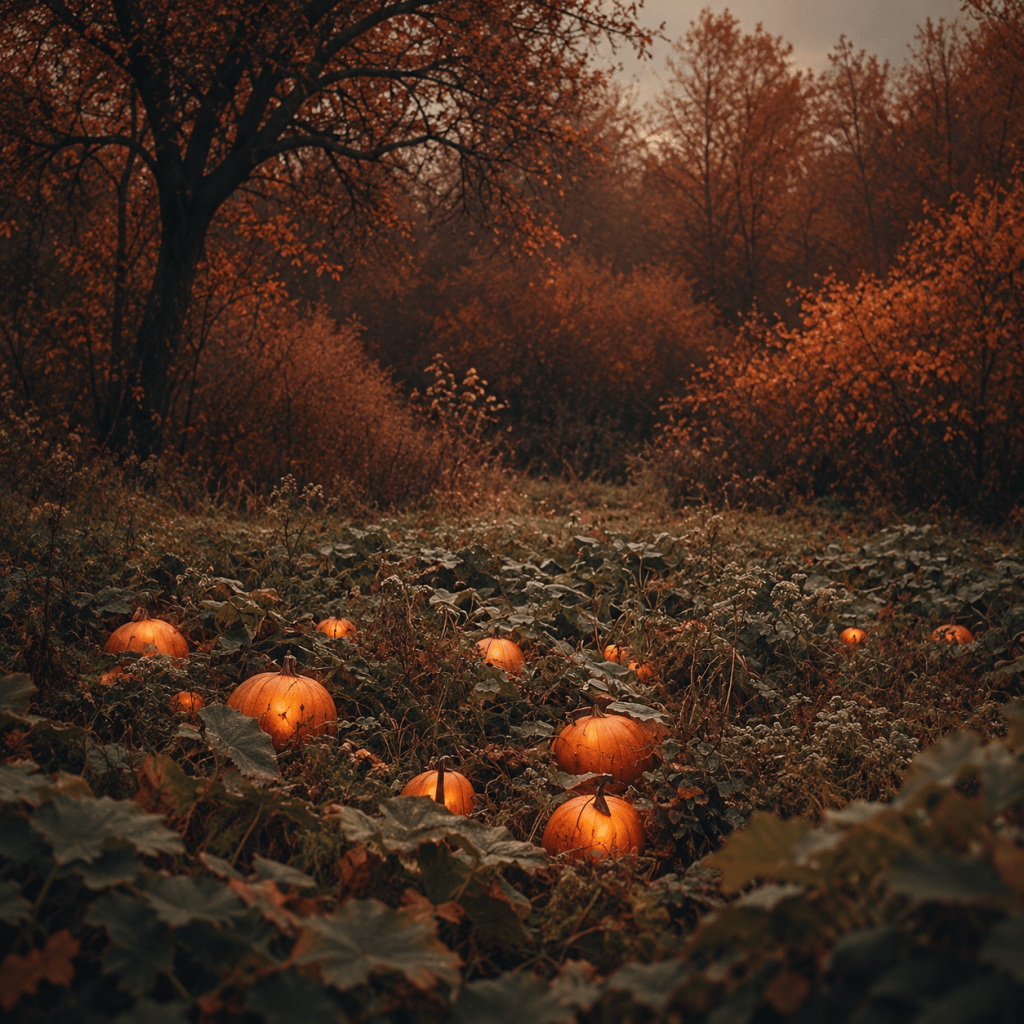
The carved pumpkin is now one of the most recognizable symbols of Halloween.
The custom developed from older traditions of carving vegetables such as turnips, particularly in Ireland and Britain. After these traditions reached North America, pumpkins proved larger and much easier to carve.
The frightening face of a jack-o’-lantern fits naturally into the theme of protection.
A strange glowing face placed near the entrance creates a symbolic guardian at the boundary of the home.
Today most people carve pumpkins simply for fun, but the imagery still carries an ancient emotional logic:
something frightening is used to frighten danger away.
This idea appears in cultures throughout history, where intimidating masks, faces, gargoyles, statues, and protective symbols were placed at entrances.
Fire and Candle Magic
Fire has always been central to human survival, especially as winter approaches.
It provides heat, light, food, and safety.
Symbolically, fire transforms everything it touches. For this reason, it became associated with purification, protection, destruction, and renewal.
A simple Samhain candle ritual can be performed without complicated ceremonial practices.
Light one candle in a safe place.
Think about something from the past year that you are ready to release.
Write it on paper.
You do not even need to burn the paper. Folding it and later throwing it away can carry the same symbolic meaning.
Then identify something you want to preserve.
Not necessarily something you want to gain — something you already possess and value.
Perhaps family closeness.
Health.
A friendship.
A peaceful home.
Courage.
Creativity.
Write that down too, but keep this paper.
The ritual becomes a small symbolic division between what ends and what continues.
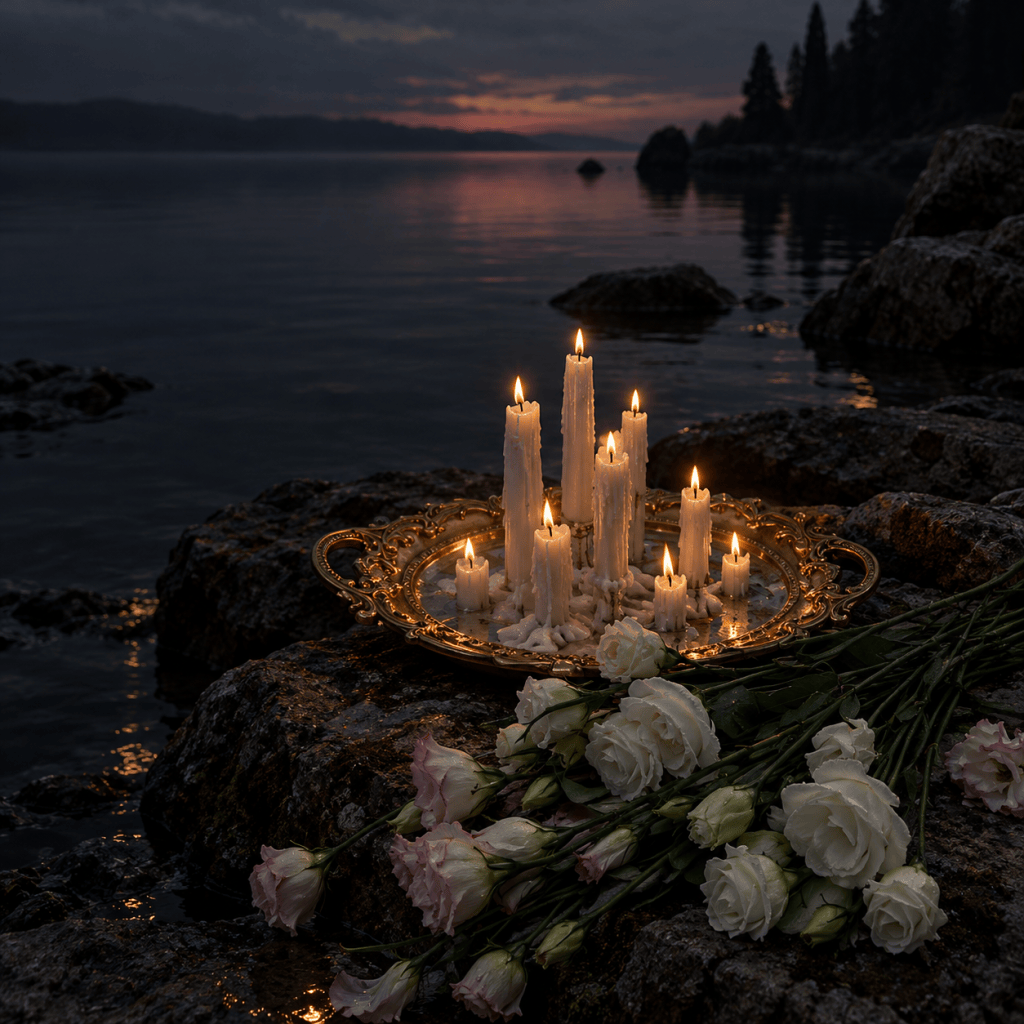
Protective Herbs Associated With Samhain
Many herbs have accumulated protective symbolism through folklore and spiritual traditions.
Common examples include rosemary, sage, bay, thyme, garlic, juniper, cloves, and mugwort.
Their traditional meanings vary across cultures, so there is no single universal correspondence.
Rosemary is frequently associated with remembrance and protection.
Bay leaves are often connected with purification, wishes, and victory.
Garlic has famously been associated with protection against harmful forces.
Juniper appears in cleansing traditions.
Mugwort has long been linked in folklore with dreams and divination.
However, spiritual symbolism should never replace practical safety. Some herbs, essential oils, and smoke can be unsafe around animals, during pregnancy, or for people with certain health conditions.
Symbolic practice does not require physical exposure.
A drawing, dried herb sealed safely in a jar, or simply writing the herb’s name can carry the same ritual intention.
Mirrors on Halloween Night
Mirrors have an enormous place in supernatural folklore.
They reflect reality but reverse it. They create the illusion of another room behind the glass. Before electric lighting, seeing one’s reflection by candlelight could be genuinely eerie.
Unsurprisingly, mirrors became associated with spirits, divination, hidden realities, and predictions about marriage or death.
Old Halloween fortune-telling games sometimes involved mirrors, candles, and attempts to glimpse a future spouse.
Modern practitioners may still use mirrors symbolically, but there is no reason to treat them fearfully.
A mirror can instead become a symbol of self-reflection.
On Samhain, look into a mirror and ask yourself something surprisingly difficult:
What truth about myself have I avoided this year?
The answer may be more useful than any supernatural vision.
Halloween Signs and Omens
Halloween folklore contains countless omens.
Animals, weather, candles, dreams, sounds, visitors, spiders, birds, and household events have all been interpreted as signs.
These traditions should generally be understood as folklore rather than guaranteed predictions.
Still, they are fascinating because they show how earlier generations attempted to make sense of uncertainty.
Before weather apps, modern medicine, instant communication, and scientific forecasting, people depended heavily on observation.
A sudden change in animal behavior might genuinely predict a storm.
Unusual clouds might signal changing weather.
The condition of crops could suggest what winter would bring.
Over centuries, practical observation mixed with superstition.
That is how omens are born.
Seeing a Spider on Halloween
One popular modern belief says that seeing a spider on Halloween may symbolize an ancestor watching over you.
There is no strong historical basis for treating this interpretation as universal ancient tradition, but the symbolism is appealing.
Spiders naturally fit Halloween imagery because autumn is a time when many become particularly noticeable around homes.
Symbolically, the spider represents patience, creation, fate, and the weaving together of different threads.
If you encounter one, you do not need to interpret it as a supernatural visitor.
Yet it can still serve as a reminder of connection.
Human lives are also woven from countless threads: parents, grandparents, friendships, choices, accidents, losses, and unexpected meetings.
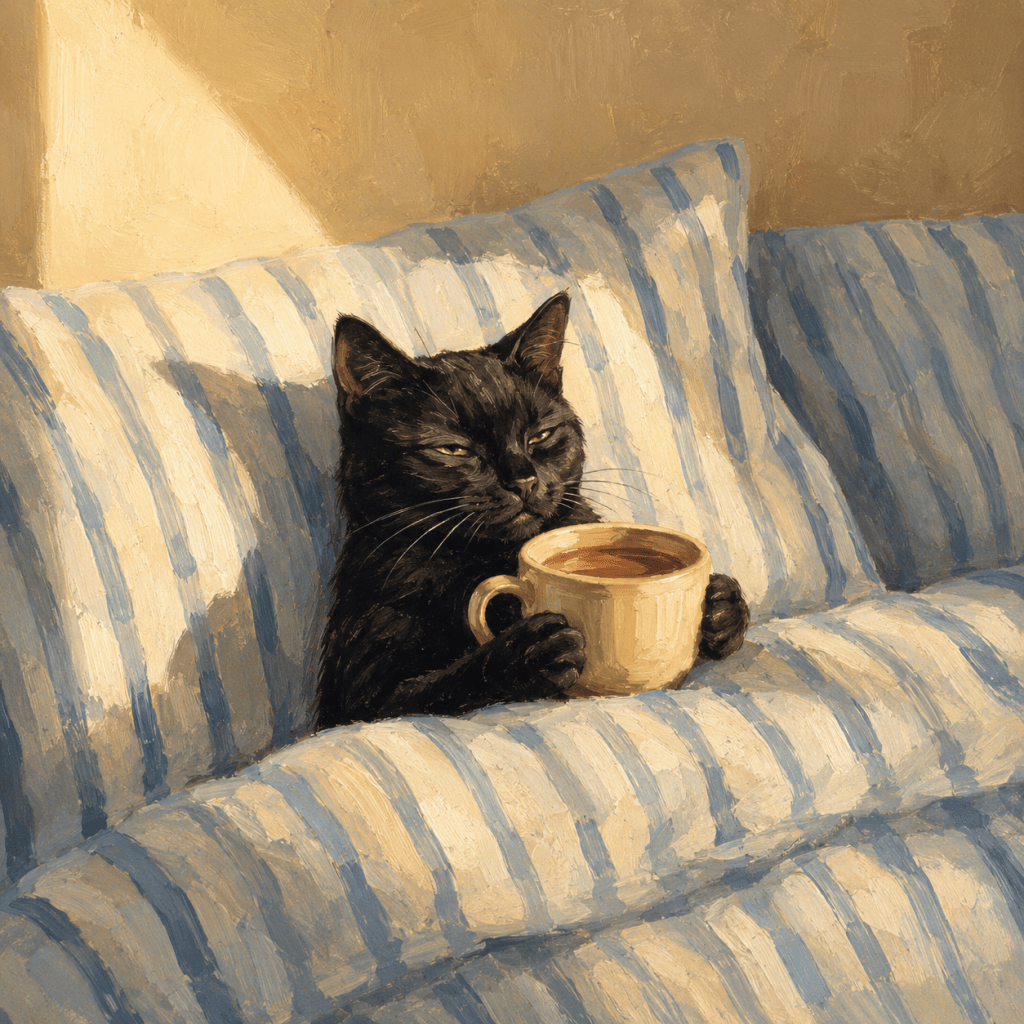
Black Cats
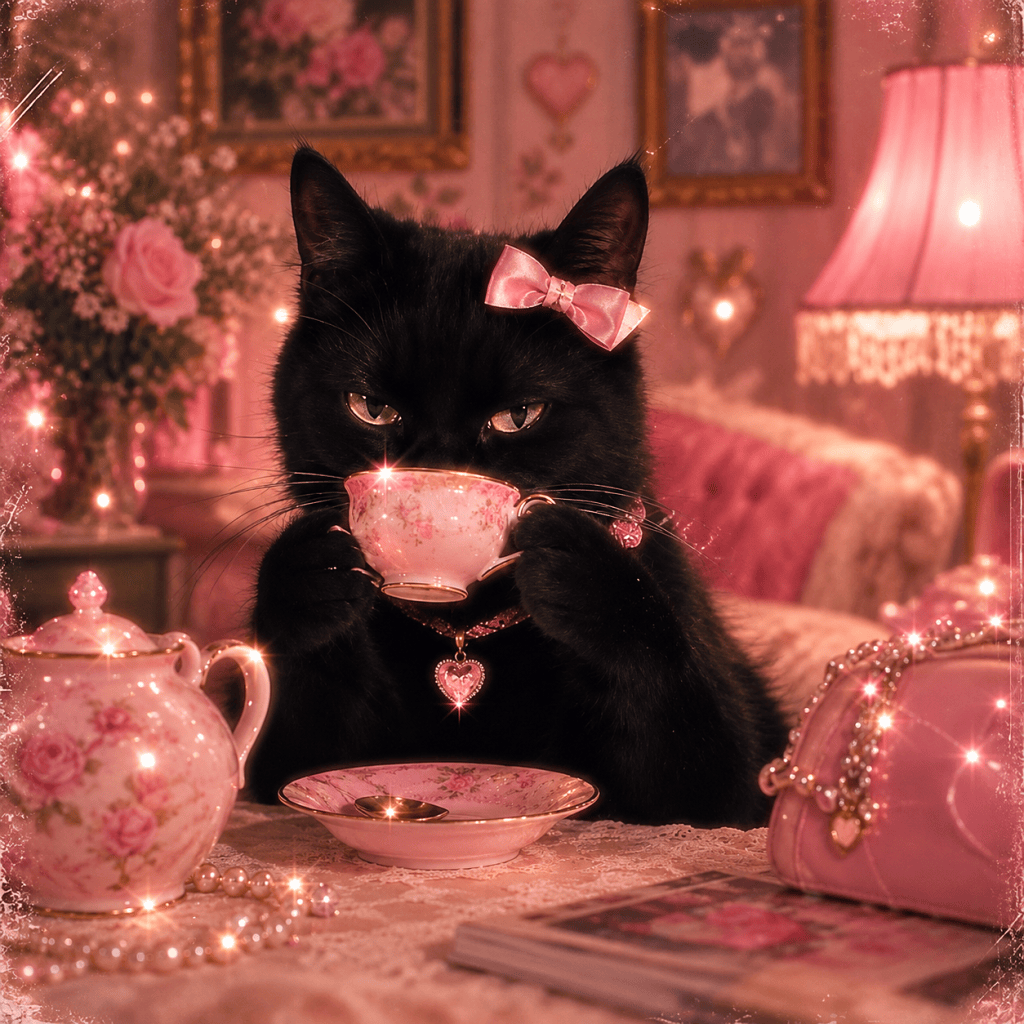
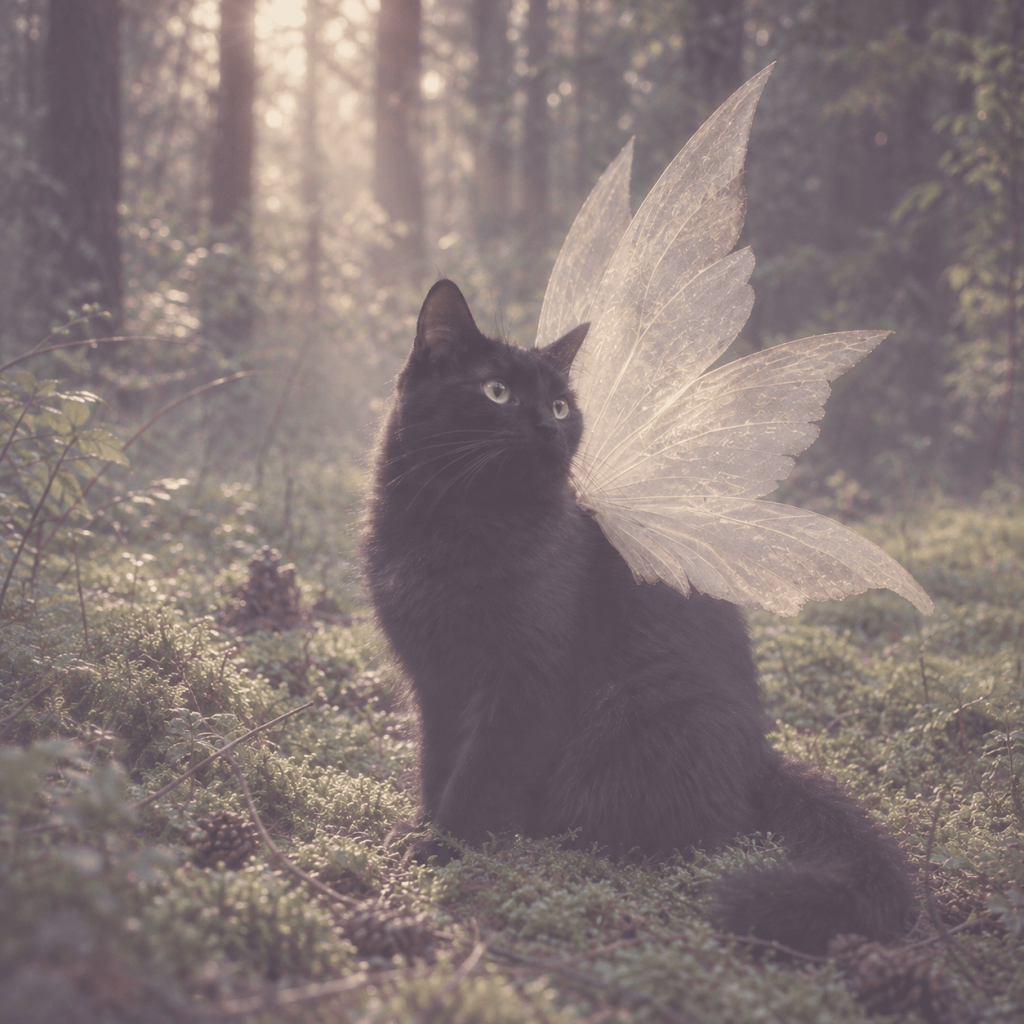
Few animals are more strongly associated with Halloween than black cats.
Their supernatural reputation developed gradually through folklore surrounding witches, magic, night, and bad luck.
Yet beliefs about black cats vary enormously between cultures.
In some traditions they were considered unlucky, while elsewhere they symbolized prosperity or good fortune.
Their Halloween reputation says more about human storytelling than about cats themselves.
For a modern spiritual interpretation, the black cat can represent independence, intuition, mystery, and comfort with the unknown.
There is certainly no reason to fear one crossing your path.
Owls
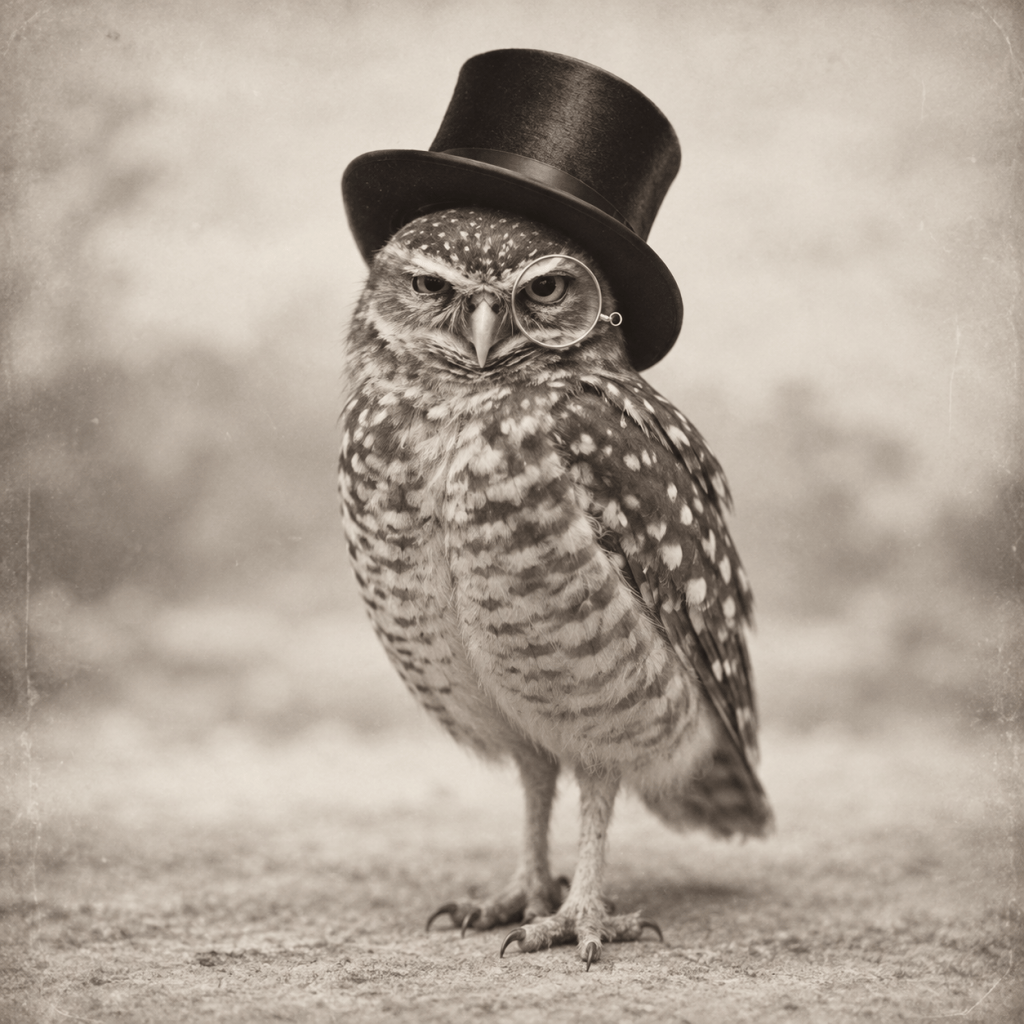
Owls are another powerful nighttime symbol.
Because they can move silently and see in darkness, cultures throughout history have associated them with wisdom, death, prophecy, mystery, or the supernatural.
Their symbolism is almost perfect for Samhain.
An owl metaphorically sees what remains invisible to others.
For this reason, encountering owl imagery during the season may inspire a useful question:
What am I finally ready to see clearly?
Crows and Ravens
Crows and ravens frequently appear in autumn imagery and mythology.
Their black feathers, intelligence, strong social behavior, and tendency to gather in visible groups have made them symbols of prophecy, battle, transformation, death, and communication between worlds.
Yet these birds are extraordinarily intelligent animals rather than supernatural messengers.
Symbolically, however, they remain powerful.
Seeing them during Samhain can be interpreted not as a prediction but as a reminder to observe before acting.
Crows watch carefully.
Perhaps we should too.
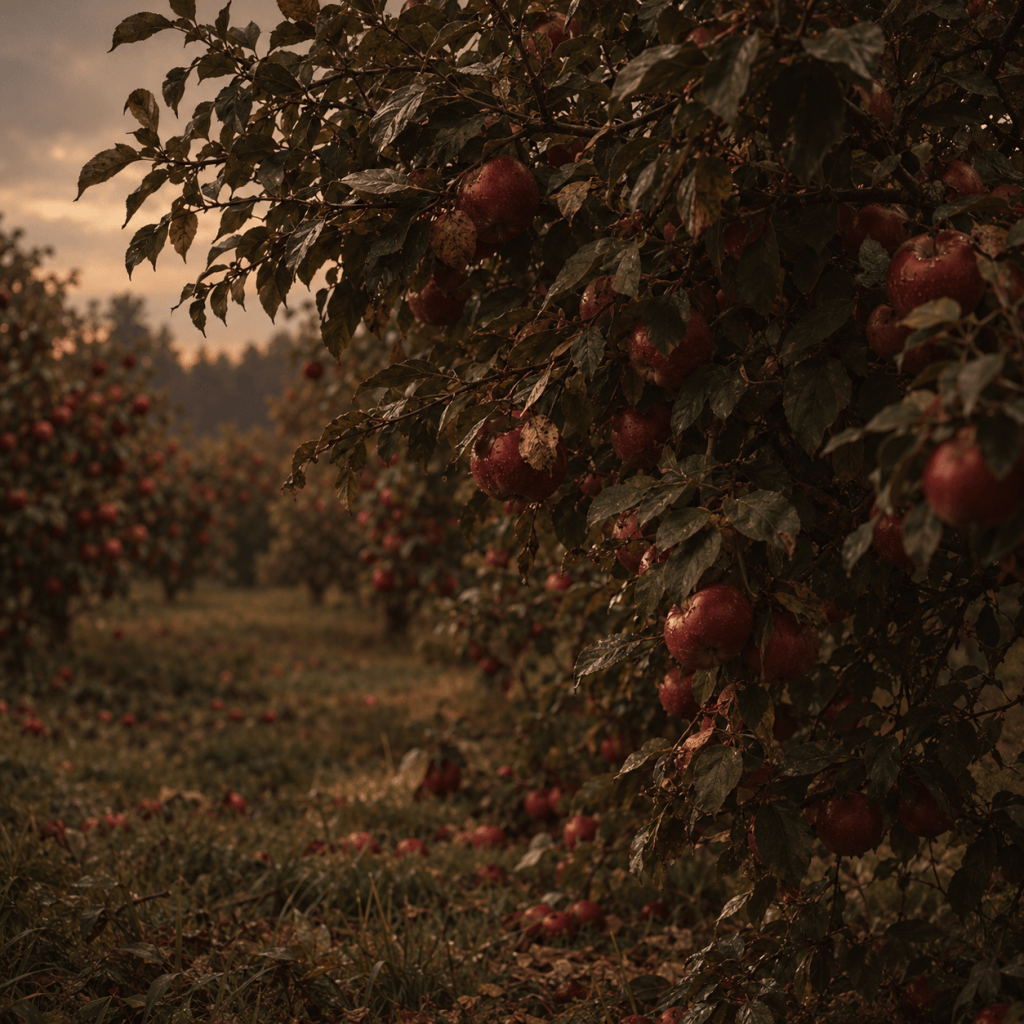
Apples and Samhain Divination
Apples have surprisingly deep connections with autumn divination.
Apple harvest season naturally overlaps with many autumn festivals, and apples became involved in games predicting romance or marriage.
One familiar Halloween activity — bobbing for apples — may seem like nothing more than a children’s party game today, but apples have long carried symbolism connected with love, fertility, knowledge, immortality, and the otherworld.
An apple cut horizontally reveals a five-pointed star formed by its seeds.
This shape later acquired additional magical associations.
Whether used spiritually or simply eaten beside a candle on a cold October evening, the apple remains one of the most fitting symbols of the season.
Strange Sounds During Samhain Night
Many supernatural stories involve hearing footsteps, knocks, whispers, or unexplained sounds around Halloween.
Autumn houses genuinely become noisy.
Heating systems begin operating. Wood contracts as temperatures fall. Wind moves branches against roofs and windows. Animals seek shelter. Pipes change temperature. Old buildings creak.
The imagination is also highly suggestible.
Spend two hours discussing ghosts and every ordinary sound suddenly becomes more interesting.
Nevertheless, folklore treated unexplained sounds as potential messages or warnings.
A balanced approach is simple: investigate practical explanations first.
Mystery does not disappear merely because reality has explanations.
Sometimes the sound of wind against a dark window is atmospheric enough.
What Not to Do on Samhain
Modern spirituality contains many dramatic warnings about Halloween: never look into mirrors, never answer mysterious knocks, never pick something up from a crossroads, never sleep with a window open, never perform certain rituals.
Most of these rules come from mixed folklore rather than one universal Samhain tradition.
There is no need to become afraid of October 31.
A healthy spiritual practice should create meaning, not paranoia.
Still, Samhain symbolism encourages a few sensible boundaries.
Avoid rituals you do not understand simply because they look impressive online. Do not use unknown herbs, substances, or fire practices carelessly. Do not deliberately frighten yourself into believing ordinary events are supernatural attacks. Do not attempt intense spiritual practices if they make you anxious or unable to sleep.
And perhaps most importantly, do not turn remembrance of the dead into fear.
Samhain is as much about honoring life as acknowledging death.
What to Do on Samhain
The most meaningful practices are often simple.
You might:
- clean your home;
- light a candle;
- cook an autumn meal;
- remember someone who has died;
- look through family photographs;
- write down what you want to release;
- take a quiet evening walk;
- journal about the past year;
- record your dreams;
- perform a tarot reading;
- decorate your doorway;
- watch the sunset;
- sit quietly without your phone;
- tell family stories;
- express gratitude for what survived the year.
There is no need to do everything.
Choose one or two practices that genuinely mean something to you.
A Samhain Release Ritual
Samhain is particularly suitable for symbolic release because it represents completion.
Take a sheet of paper and divide it into three sections.
In the first section write:
What ended this year?
Include relationships, habits, plans, beliefs, expectations, fears, identities, or situations that no longer belong to your current life.
In the second write:
What did it teach me?
This prevents release from becoming simple rejection. Even difficult chapters may contain knowledge.
In the third write:
What do I refuse to carry into the next cycle?
Then read your answers slowly.
Tear the paper into pieces, recycle it, or safely burn it if you have an appropriate fireproof setting.
The physical act marks psychological closure.
A Ritual for Honoring Ancestors
Choose a quiet place.
Place a photograph or meaningful object nearby.
Light a candle if it is safe to do so.
Say the names of relatives you wish to remember.
You can speak aloud or silently.
Think of one thing each person gave to your life.
Perhaps not materially.
Maybe someone gave you resilience.
Another person gave you humor.
Another gave you a love of books.
Another showed you exactly what kind of life you did not want to repeat.
Ancestors do not need to have been perfect people to have influenced us.
Family inheritance includes both gifts and wounds.
Part of honoring the past may involve consciously deciding which parts continue through us and which ones end with us.
That may be one of the deepest meanings of ancestral work.
Breaking Family Patterns During Samhain
Ancestral spirituality is sometimes romanticized.
People speak of wisdom flowing through generations, but families also transmit fear, silence, unhealthy relationships, financial habits, expectations, shame, and unresolved trauma.
Samhain can therefore represent more than remembering ancestors.
It can represent choosing differently.
Ask yourself:
What pattern in my family should continue?
And then:
What pattern should stop with me?
Perhaps your family taught extraordinary resilience but avoided emotional conversations.
Perhaps they valued loyalty but tolerated unhealthy behavior.
Perhaps they survived hardship so successfully that rest began to feel like weakness.
Ancestral work becomes meaningful when remembrance is combined with awareness.
You can honor where you came from without repeating everything that came before you.
The Spiritual Meaning of Costumes and Masks
Halloween costumes are usually playful today, but disguise has deep ritual symbolism.
Masks allow people to temporarily become something else.
Historically, disguises in seasonal celebrations may have served many purposes, including entertainment, social inversion, performance, concealment, and interaction with supernatural folklore.
Spiritually, a mask symbolizes identity.
We all wear social masks.
The professional version of ourselves may differ from the person seen by family. The confident version may conceal insecurity. The agreeable version may hide anger.
Halloween allows identity to become fluid for one night.
This can inspire an interesting reflection:
Who are you when nobody expects you to perform a particular role?
Sometimes the costume reveals something rather than hides it.
Why Halloween Can Feel Emotionally Intense
Not everyone experiences Halloween as joyful.
For some people, the season creates nostalgia.
Childhood memories return. Old neighborhoods come to mind. Certain smells trigger memories of people who are no longer present.
Autumn itself can produce a strong awareness of time passing.
Another summer is gone.
Another year is nearing its end.
Children grow older.
Parents age.
Homes change.
Friendships change.
We change.
Perhaps this is one reason Halloween retains so much emotional power even for people who have no spiritual beliefs.
Behind the ghosts and decorations lies something very human:
our awareness that time moves forward whether we are ready or not.
Love and Relationships During Samhain
Because Samhain historically became associated with divination, many traditional games attempted to reveal information about future spouses.
Modern spiritual interpretations can take the theme further.
Instead of trying to predict exactly who you will marry, Samhain can be used to examine relationship patterns.
Ask yourself:
Which relationships grew stronger this year?
Which connections naturally faded?
Who drains me?
Who makes me feel safe?
What behavior do I repeatedly accept even though it hurts me?
What kind of relationship am I actually ready for now?
Autumn is a season of pruning.
Relationships sometimes need pruning too.
Not every connection is meant to remain unchanged forever.
Money and Career Energy Around Samhain
Samhain is not traditionally a financial holiday, yet its themes can be applied surprisingly well to work and money.
Harvest season represents the result of previous effort.
Before planning a new cycle, examine the harvest of the current one.
What produced results?
What consumed enormous energy without giving much back?
Which financial habit helped?
Which habit needs to end?
Which project has reached completion?
Which ambition belongs to an older version of you?
This is a useful period for reviewing rather than impulsively expanding.
A farmer historically looked at what had been gathered before deciding how to survive the winter.
Modern life is different, but the metaphor remains powerful.
Samhain and the Year Ahead
Because Samhain marks a seasonal turning point, some modern practitioners use it as a spiritual New Year.
Instead of creating ordinary resolutions, they reflect on deeper themes.
One useful exercise is to choose three words for the coming cycle.
Not goals.
Qualities.
For example:
Clarity. Stability. Courage.
Or:
Home. Health. Creation.
These words become symbolic anchors.
Whenever a decision appears, ask whether it moves you closer to or farther from those qualities.
This method can be more useful than creating a long list of resolutions that are forgotten by winter.
Signs You May Notice Around Samhain
People often become more attentive to coincidences during spiritually significant periods.
You might notice repeating dreams, recurring symbols, unexpected memories, familiar songs, repeated numbers, encounters with certain animals, or conversations about the same subject.
Psychology calls part of this process selective attention: once something becomes emotionally important, the brain begins noticing it more frequently.
Spiritual traditions may interpret the same experience as synchronicity.
The two interpretations do not necessarily have to compete.
A coincidence can be meaningful without needing to prove supernatural intervention.
The better question is often:
Why did this particular symbol catch my attention?
Perhaps that is where its message lies.
When a Sign Feels Negative
Samhain symbolism can make ordinary coincidences feel dramatic.
A candle goes out.
A glass breaks.
You dream of a funeral.
A bird hits a window.
A photograph falls.
It is easy to turn these events into predictions of disaster.
Avoid that temptation.
Folklore is full of ominous interpretations, but treating every accident as a warning creates anxiety rather than wisdom.
A dream about death often symbolizes transition rather than literal death.
A broken object may simply be a broken object.
Spirituality becomes unhealthy when fear replaces judgment.
Signs should invite reflection, not panic.
Samhain Protection Prayer or Intention
Those who enjoy ritual language can use a short intention while lighting a candle:
May this home remain a place of peace.
May those who enter bring goodwill.
May what belongs to the past remain at rest.
May those I love be protected.
May I recognize what should stay and release what should leave.
May the darkness bring wisdom, not fear.
The words are not magical because of their exact wording.
Their power lies in attention.
Ritual transforms an abstract intention into an experience we can remember.
A Simple Halloween Night Ritual
A complete Samhain evening does not need to be complicated.
Begin by cleaning your home earlier in the day.
As evening arrives, turn off unnecessary bright lighting and use softer lamps or candles where safe.
Prepare seasonal food.
Place a photograph of someone you wish to remember nearby.
Spend a few minutes thinking about the past year.
Write one thing you are ready to leave behind.
Write one thing you are deeply grateful survived.
Write one intention for the months ahead.
Later, record any dreams you remember.
That is enough.
The atmosphere comes from awareness, not from the number of ritual objects on the table.
Why Samhain Still Matters
Modern life often removes us from natural cycles.
Artificial light allows us to stay awake long after sunset. Food appears in supermarkets regardless of season. Heating protects us from winter cold. Technology keeps life moving at the same speed throughout the year.
Nature does not live that way.
Nature expands and contracts.
There are seasons of growth and seasons of rest.
There are moments for beginning and moments for ending.
Perhaps the lasting appeal of Samhain comes from this forgotten rhythm.
The festival reminds us that endings are not failures.
Leaves falling from a tree do not mean the tree has failed.
Winter does not mean nature has stopped living.
Silence does not mean nothing is happening.
Sometimes transformation occurs invisibly.
Halloween as a Threshold
At its deepest symbolic level, Halloween is a doorway.
Behind us lies what has already happened.
Ahead lies something we cannot completely see.
That is why ghosts belong so naturally to the holiday. Ghosts represent the persistence of the past.
That is why divination belongs to it. Divination represents curiosity about the future.
And between them stands the present.
One night.
One threshold.
One moment to look in both directions.
Samhain teaches that the past should be remembered but not allowed to imprison us, while the future should be respected without needing to control it completely.
The doorway is where we stand.
Conclusion
Halloween is easy to enjoy on the surface. There are costumes, pumpkins, horror movies, sweets, decorations, parties, and autumn evenings filled with candles and orange light.
But beneath the modern celebration lies a much older human fascination with darkness, death, survival, memory, protection, dreams, fate, and the unseen future.
Samhain adds depth to that fascination.
It reminds us that humans have always gathered at the edge of winter wondering what the darkness would bring. They protected their homes, watched the weather, remembered their dead, told stories, interpreted dreams, searched for omens, and hoped that life would return after the cold months.
We live in a very different world, yet many of the same questions remain.
Who are we becoming?
What are we leaving behind?
Which memories deserve to survive?
Which family patterns should continue through us?
Which ones should finally end?
What is intuition trying to show us?
What do we need to protect?
And what are we ready to release?
Perhaps this is why Halloween continues to feel different from almost every other holiday.
It is playful, but beneath the playfulness is darkness.
It is frightening, but beneath the fear is curiosity.
It celebrates ghosts, yet ultimately reminds us how precious life is.
And in the quietest interpretation of Samhain, the night is not really about calling something from another world.
It is about standing for a moment at the boundary between what has been and what will be, honoring everything that brought us here, and entering the darker season with a little more awareness of what we want to carry with us.
Sometimes the most powerful magic is simply knowing what to keep — and what to leave behind.



Leave a Reply